Por las anchas y sudadas avenidas
Enfría el otoño los pasos.
Sortea ecos,
Bocas que no cansan de ensayar
Notas entre lámparas feroces.
Por allá, por las distancias del norte.
¿Y aquél destello amor?
¿Aquella juventud perdida
en el costado del invierno?
Eramos entonces aliento todo,
Mar recién nacido y entre espumas
El grisazul nos pulseó una tormenta.
Juramos envejecer juntos,
Vencer los elementos;
Amar el sudor de las rosas.
Todo fue lámparas, cristales por el viento
Por el lado más sincero del norte.
Dentro de unas pocas horas, cuando alguien lea esto, Barack Obama estará en Cuba. ¿Será esto bueno o malo para los cubanos? No lo sé. Entre el bien y el mal para los cubanos-de uno u otro lado del mar no existe diferencia. Hace tiempo que no somos un pueblo. Somos la colonia de la miseria. Para Obama y este país sí. El cambio de política al fin pondrá el “embargo” a prueba. No habrá más excusas para la miseria cubana. Nunca ha existido en Cuba otra miseria que no haya sido la dictadura de Fidel Castro y su hermano. Esto está claro. Lo que no esta claro es la decencia humana de Barack Obama, su gobierno, y tantos cubanos que después de huir de Cuba regresan cargados de tarecos para demostrar su superioridad económica, su status social sin importarles que los roben en la aduana los oficiales cubanos, los “comunistas” los ladrones, que siempre los miran como “gusanos”. Eso, que es parte de ser digno, no importa. Pero la dignidad se ha perdido aquí y allá. El sacrificio de los que cayeron frente a un pelotón de fusilamiento es mierda. La lucha que ha sostenido una pequeña parte del exilio es basura ante la sabrosa realidad de la conveniencia, de las prostitutas más baratas y jóvenes del mundo, las Taínas de la jodedera. Si un pueblo merece una dictadura comunista es el cubano, me repetía alguien hace más de treinta años atrás cuando soñaba con la libertad para este desgraciado país. Merecen los cambios. Los cambios ya se acercan. Después de 57 años limpiándose con el Granma y revistas chinas quizá Obama logrará que los cubanos al fin se limpien el culo con papel sanitario. Esto sería un gran logro. Esto será entre otras cosas-como no comer bistec de trapo-el adelanto de una sociedad que dejó de existir civilmente hace más de medio siglo.
El imperio de nuevo ha desatado una ola de mentiras contra la soberana dictadura chavista de Nick Maduro, conocido por su título oficial: presidente de Venezuela. Ahora la DEA ha fabricado la historia de que los hijos o sobrinos-da lo mismo-de la primera combatiente han sido detenidos por tráfico de cocaína. ¡Mira que la CIA inventa cosas! ¡Deberían estar haciendo películas en Hollywood! Por favor, inventos y más inventos para abofetear con el fango capitalista a la inmaculada familia de los Marudo-Flores.
El cotilleo empezó cuando unos desconocidos fueron detenidos en Haití-out of all places-con un avión con un polvo blanco, quizá también presentado como cocaína, que bien puede ser cal mecanizada por los malandros de la DEA, con esas luminosas mentes del FBI y la CIA dirigiendo la obra teatral.
La televisión venezolana, órgano oficial del sistema socialista que asfixia a este gran país, ha defendido gloriosamente la verdad de que los muchachos de la familia real venezolana jamás podrían cometer un crimen, ni de esa, ni de ninguna magnitud. Es que en realidad, venderle cocaína que iría a ser consumida por los habitantes del imperio no es ningún crimen: en una misión revolucionaria e internacionalista.
La primerísima combatiente, Cilia, jamás podría ser manchada por las calumniosas historietas del asqueroso imperio y sus verdugos. Mintieron cuando invadieron Panamá, Iraq, Siria, Tanzania y el Disney World europeo. El Bobológolo francés Perez Pirela en su seriecísimo programa de análisis de la geopolítica mundial “Brincando y Saltando” realizó una de la piruetas más populares que tan bien ha desarrollado el materialismo dialéctico: Echarle tierra a la verdad a través de mentiras. Ah, los comunistas, qué aburrimiento.
Entremos en materia y salgamos rápido porque ya nos están leyendo con interés los agentes de Seguridad del Estado y no quiero que mi verdadera identidad sea descubierta. Los detenidos y ahora acusados en una corte de Manhattan son Efraín Campos Flores y Francisco Flores de Freitas, sobrinos de Cilia Flores, ahijados del Maduro. Estos nuevos miembros de la nueva clase: el señoristismo socialista, una vez apresados e intimidados por los torturadores imperialistas han confesado que los 800 kilos de cocaína que tratarían de vender desde Venezuela tienen algo que ver con Diosdado Cabello, General en Jefe de la Asamblea Jacobina de Venezuela y presunto capo del llamado “Cartel de los Soles”. El asombro ha sido mundial. En china XUI-Pen Lai se afeitó los bigotes. En España Artur Mas se ha convertido al judaísmo. A Donald Trump se le cayó la cara, otra vez. Y encima le niegan inmunidad diplomática a estos embajadores de la paz.
¿Cómo se puede acusar al generalísimo Cabello? ¿Con qué moral se le puede acusar a este ser iluminado por el odio de vender unas bolsitas de droga? Por Dios. No, esto no se quedará impune. ¡Ay Cilia, Primera Combatiente de las boutiques de Milán, dama guerrera de los sucios diamantes! ¿Cómo te pueden profanar nada menos que a TI, los corruptos yanquis?
Y a estos muchachos inocentes qué le piensan hacer. Ojalá los traten con la misma justicia que los chavistas han tratado a Leopoldo López, a la jueza Afiuni, a Brito, a Iván Simonovis y a miles de otros. Pero nada bueno podremos esperar de los yanquis invasores, cuyo sistema de justicia es inmoral y arbitrario. Si bien no los apresaron con los 800 kilos de la droga, cierto es que grabadas están, según fuentes de la DEA, la negociación entre los sobrinos de la valerosa combatiente y agentes policíacos. Además se han encontrado 80 kilos de periquete en la casa de Francisco Flores de Freites en Santo Domingo, uno de los acusados. 80 kilos. Esta gente no está jugando.
No, no, si de drogas jamás me ha dado por escribir. Ese no es mi asunto. Y cada cual que se dedique a lo que mejor le parezca o pueda. Eso sí, en este negocio hay serias consecuencias. El problema de este episodio es que los acusados están muy cerca del presidente de un gobierno que se pasa la vida exaltando sus virtudes y agresivamente condenando al imperio, cuyos ciudadanos tan generosamente le compran y consumen las drogas a sus traficantes. El problema es que el círculo, lenta pero seguramente, se le va cerrando a la nueva burguesía heredera del Comandante Eterno, enterrando el idealismo de Chávez en un mar de drogas, excesos y las más nutrida colección de bribones, mentirosos, muñecos de la maldad y el azufre que llevan en sus máscaras.
El problema es que escándalo tras escándalo el pueblo venezolano se fuga diariamente de este socialismo que promete ser el futuro de la humanidad. El problema es que el pueblo, al que mantiene hipnotizado la promesa de los líderes chavistas a base de frágiles regalos y promesas, se está cansando. El problema es que ya hasta los más fieles círculos chavistas ven con cierta duda y algunas veces indignación el trato que se le ha dado a la esperanza del futuro: Leopoldo López. El problema es que los mismos chavistas se ven atrapados entre las garras de “su hijo”, pero un “hijo” que le salió malo. Un “hijo” impuesto desde La Habana. Es asunto es que Venezuela es una olla a presión y eso nadie lo puede negar.
Marca este otro capítulo de una Venezuela que de un país se ha convertido en un narco estado. De una democracia en una dictadura comunista. De la abundancia a la miseria. De políticos mediocres y ladronzuelos en el centro del hampa de la mafia mundial. La pobreza, el asesinato, la inseguridad diaria, los pobres hospitales, las colas, la escasez y la crueldad se han apoderado de la Gran Venezuela y este hecho delictivo no es más que otro capítulo de este noveleta, que se extiende y se infla y explotará con un impacto jamás visto en el país. Y que se defenderá hasta la muerte, porque la corrupción no es sólo ofensiva sino muy agresiva porque esconde los más oscuros intereses.
Ya los sobrinos de la Primera Combatiente son defendidos por caros abogados. Lo malo es que el imperio, que no es bobo, los haga hablar como cotorras y que aquí, en el nido de todos los males, se encuentren más seguros que en el paraíso bolivariano.
Ahora lejos
Casi en la otra orilla
De la mitad de la vida
Reservo mis victorias
Lentamente
Me cercioro que he vivido
Ya enterrados mis años
En canas clavadas en el alma
El estrecho camino
Ojalá sea amplia avenida
Hacia la eternidad
Ahora que le regateo
Estrellas a la noche
Los puños no son rápidos
Y pesan
Cuando camino bajando la cabeza
Con la mirada fija en el asfalto
Para que mis ojos no se raspen más
De tanta miseria humana
En el fangoso esplendor de la abundancia
Vestida de jóvenes y confusos colores
Que han asesinado la virtud y los valores
Y de viejos que esperan delirantes
En las consultas de los médicos
Con el opaco terror
De no poder disfrutar más humillaciones
Y desgracias
Dispuestos a intercambiar
Agonizantes horas mendigando
Otra pastilla
Otra cura que los ate
A otra cucharada
De alguna sopa inmunda
Y fría como la muerte
He aprendido a entrar a funerales
Con cierta elegancia
Cuidadosamente trabajada por la angustia
Ahora que la hipocresía y la maldad
Incapaces de atraparme entre sus máscaras
Me saludan con confianza extrovertida
Ni la traición ni el abandono me rasgan los vestidos
Ni me cortan las venas
Que abundantemente sangran sin rasguños
A veces reflexiono
Que un día fuí el hijo de alguien,
El padre de alguien,
El amante de una mujer que anunciaba
Una primavera eterna con sus pechos
El esposo fiel a sus deberes
Familia entonces fue un árbol apoyado
En la fuerza de la juventud :
una belleza por sí misma
Y el amor una distancia
Que se vende y le hace costumbre
A las condiciones de la vida
Entonces la música bañaba los años
Y mis pupilas cumplían mis operaciones
Como puntas de alfiler
Y tu pelo se enredaba entre mis brazos
Como una espuma que enloquece
Aquellos años cuando tus ojos enardecían
El sol y su reflejos
Y la violencia era una fiesta
Y hasta salí una que otra vez
De hospitales
Con alegres puntos en las cejas
Calidad de fiera entonces poseía
Aquellos otoños cuando las hojas
Regadas por el suelo eran pasión y media
Y los labios poblaban de tormentas
El sabor de los besos
Ahora que veo la otra orilla
Y los huesos rotos y el metal me acompañan
En obsesivos tramos de dolor
No me separo de la mesa
Donde juego diariamente póker con el cáncer
Y mi ruleta rusa lleva tres balas
Camino lentamente
Me sobran los espacios que sólo me han dejado
Trozos de aquella humanidad
Distante y desolada
Quizá con un amor que se aferra a mis mejillas
Con tonos del ópalo y flores que agonizan
La senda amarilla
Del que aspirando a todas las pasiones
Casi todo lo desprecia
Ya alcanzando a nado
Esfuerzo tras esfuerzo
La orilla a la otra mitad de la vida.
9/3/2015. Acabamos de leer con dolor que ha fallecido anoche del 22 de octubreJorge Valls. Aquí en una de sus últimas fotos mi amigo, el gran poeta, escritor y patriota Jorge Valls Arango, cuando se restablecía hace sólo unas semanas en Union City de una reciente caída. Mucho he aprendido de este hombre cristiano, bondadoso y valiente que pasó 22 años en las prisiones castristas por sus ideales democráticos.
Conocí a Jorge Valls en 1986 gracias a mi hermano del 30 Tony Pons, a su vez hermano de celda de su larga e injusta condena. Los dos para mi son verdaderos héroes, el arquetipo del patriota. Jorge participó en las tertulias literarias que fundó la inolvidable Dra. Onilda Jiménez en el entonces Jersey City State College. Jorge influyó a todos aquellos jóvenes de mi generación con su humanismo ecuménico, su cristianismo que reflejaba un inmenso amor por el prójimo. Esto causó que algunos en el exilio de entonces lo criticaran y como respuesta nació este poema. ¡Qué Dios bendiga a Jorge Valls Siempre!¡Hoy está al lado de Cristo que tanto ama!
A Jorge Valls Arango
“No me duelen los dientes de los hombres: más triunfante muestra el alma su luz por la hendidura”.
José Martí
¿Cómo, os preguntáis,
ansiosos en la daga que él ignora
filtraremos sus mil libros,
su mano
al elevarse en el duelo
de las cruces que lo alzan?
¿Cómo entonces, su
seguro caminar
cuando después de los abismos:
la corona del poema,
el pasaporte de las almas que lo aman,
en su diestra de alcanfor
como una mañana victoriosa
silencioso sostiene?
Es libre, os aseguro.
Calza los horizontes de la geografía.
Dibuja antiguas risas en la sangre.
Ha traspasado el hierro de las rejas.
Con agua de sol ha despeinado el odio
que circula,y más
de lo que no dice,
porque pasando todas las pruebas
se retiene de ofender.
New York City ,1987. De “Cuando se acaban los pueblos” (1994)
Ella facilitó mi entrada al concierto de la luna
Entregó su cuerpo
En el despertar del día
Después de cerciorarse que me amaba
Quiso cubrirlo de sábanas
Pero su luz le atravesaba la piel y los vestidos
Entregó los labios
Entregó la vida para siempre en un “te quiero”
Su sonrisa me bañó
El aliento de jazmines y de palmas
Era tierra, era mar, era Cárdenas
Fueron sus besos platino vivo, futuro y amenaza
Al fragor de mis brazos sin heridas
Juntos cantamos
Yo en sus ojos
Ella en mi alma
Refugió su verdad
En mis puños que la defendían
Y la abrigaban
Liberó sus ansias de una vez
Por el filo de aquella juventud que me ladraba
Amor, racimo de locuras,
Recinto en llamas
Amante, regalo de la media tarde alunada
Amor mudo en el rugido
Lejos del mundo arropado en la sal de la mentira
Sus dientes temblorosos se quemaron
El en fuego de la espera
Su noche-niña
Es una canción enamorada
Su voz cruzaba los cables
Y el despertar de las fatigas
Su pelo azabache derretido
Me regaba de sudor la espalda y los sentidos
Fuimos entonces oración en llamas
Concierto de lunas y de astros
Al ritmo de Santa Esmeralda
Los años nos cayeron como gotas
Arañándonos la sien, quemando la palabra
Curándonos las uñas de las llagas
Tatuaron mi piel y mis entrañas
Sus labios Libertad desconocida
Poblaron mis días de un carmín halado
Y cartas olvidadas por el tiempo
Ella cayó de la luz misma
Era luz, era mar
Era aire de todo otoño atormentado
Quiso cubrir su cuerpo en las sábanas
El amor le travesó
La piel y los vestidos
Sellándola de besos y de llanto
Pagándole mi amor como Karma.
La máscara de la mediocridad tiene una fiebre
Tejida en los sentidos
Una calvicie temprana en los dientes
Disfrazada de risa
Pero el odio innato vive
En su alma de papel
Se ha propuesto subir al liderazgo
De seres que la adulan
Va tejiendo sus redes
Su muerte alcoholizada
Deja, va dejando huellas en seres
Que merecen o no
Sus furias sin consideraciones ni justicia
Puede ser hombre o mujer
O ambos a la vez
u otro de sus vicios
Señorear o escupir trozos de otras vidas
No puede ocultar la aria intención de sus medidas
Actúa sus movimientos ensayados
En el espejo de sus venas
Sus ojos un azul-sangre satanizan
La agonía de sus víctimas
Una luna enferma y amantes de turno
Le sale del aliento
Un tren de folklóricos que marcha
A los campos auschlarianos
Evidencia en su mirada
En su mente agonizante y fantasía
Es cachorro de verdugos
Rima asonante de torturas
En sus labios los niños
Son propuestas que bailan sobre el dólar
Esconde siempre esconde
Su flema inglesa, sus blanquísimas garras,
Su fiestas y adulterios
En oficinas prestadas
Las sombras son su nombre
El amor su barriga
Su tutor es una esbelta compañera
Que mueve rosadas cimitarras hasta el alba
Se rodea de otras máscaras que buscan
Ser estrellas
En la inmundicia de su casa
Ah máscara, te reconozco
Hasta en el aire que exige mis pulmones
Ni en medio de los teatros
Ocultar puedes
Tu patética imitación de Fantómas
Profunda es tu obsesión
No tienes escape ni salida
Mediocre hasta el infierno intensamente
Se quemará tu máscara en las llamas.
Soy el ladrón de tu inquietud onírica
El villano que te enciende y te apaga
Las raíces del silencio
Soy la ocasión presta al desacierto
El pirata de tus labios
La lluvia en tus piernas
Soy el jardín amado
Por siglos región tuya
Continente desatado en tus rodillas
Gatillo que desangra
En llanto tus solitarias asambleas
Sí, soy el villano
Que se asoma a tu piel y duda
Si de la venganza o el amor o hacia el Karma
Te inclinas
Y te lanzas al origen de este fuego
¿Es necesario decirte que te he amado?
¿Que en trozos de tu pelo
He dejado la vida toda?
¿Es acaso absolutamente esencial
que te repita una y otra vez
que me arrasas la venas
en la máxima expresión de tu respiro?
Nada he dejado de apostar:
El alma toda en los naipes perdidos
La juventud entregada hasta hoy
En tu pasado
Rescatada peldaño a peldaño
Hasta escalar el punto más genuino de la huida
Y en mis huellas siempre dejas
La estela en tus vestidos
Soy
Soy, soy el villano
La alfombra negra
La oveja mala
La bala perdida
Que siempre has buscado
Entre las hojas de los otoños
Entre el bosque de inquietudes
Fracasos y victorias
Que desbocaron tus días de tranquila saciedad
Soy yo el villano
Hubieron días
Que tu belleza fosforeaba los jardines
Tus pasos seguros
Convencieron la despedida
Y pretendiste cazar presas
En tu casa
Donde jamás ausenté mis mejores años
Mi alma halada por tu hermosísima presencia
Te convenciste ser esa estrella
Que retaba soles
Movía montañas con sólo una mirada
Y te fuiste a buscar lagos
Ríos
Dentro de un mar que te abordaba
La dura pasión de los estribos
En que cabalgamos diez mil millas de existencia
Eras entonces oxígeno
Fiera del espacio en mis pulmones
Estrella negra
Mujer llena de cumpleaños,
Desayunos, Navidades
Que estuvimos separados
Tu crueldad era un sistema
Un concierto tranquilo
A espaldas del cuarto menguante
Del alba que esperé
En el vacío total
De los que aman solitarios
El tiempo nos forró de espuelas
Ahora amor
Soy el villano
Que vive y espera total tu entrega
O tu despedida
Nada es igual
Ni el sol en tu cabello
Ni la mujer que dispone
Del azabache de la noche que acaricia las estrellas
Bien nos propondríamos dejar en tus pechos
el manantial quemado en abrazos y despedidas
Volar de esta salida
Una nave de agua navegando el viento
Encauza los latidos.
De una a otra tarde nos hemos comulgado
Nuestros cuerpos regidos por la luna
Esa que cuelga de la manos de un altar
Que nos afiló el amor hasta la muerte
Nos hemos confesado despertando el día
A la luz de curiosas paredes
En la corriente de un río
De manos que se rozan
En esta entrega sin salida
Amantes la mitad de una vida
Presentes en los cuerpos
Tiempo de risas
Tiempo huérfano de palabras
Oh, nos hemos amado
La mitad de la vida
Fabricado hemos un universo
En la copiosa certidumbre de las lluvias
Que nos han tatuado cicatrices en los ojos
Siempre fijados
En el abrazo y en la lucha
De vivir vena a vena, beso a beso
La gaveta de los sueños
La esperanza en llamas
Oh, en la mañana hemos amado
La minuciosa extensión de los labios
Esta posesión
Segura que ni el tiempo
Ni las tormentas
Ni los fantamas del pasado ni del presente
Nos arrebaten el futuro
Todo hinchado de las imperfecciones
Que nos han salvado del naufragio
Ese pasado nos ahoga
De caricias y de encuentros
De noches que nos emboscan
En este largo viaje
Amor, comulgemos la pasión
Que la vida se va
Y la eternidad nos acecha.
De uno a otro desgarro
Nos acentúamos
Es el tiempo de estas cruces
Tatuadas en la piel sobre los siglos
De una a otra mano nos
Regamos en una multitud de ausencias
Intercambiándonos la sed
Eres la permanente mejilla en mis labios
Boca y dientes enlazamos la lámpara
Del laberinto
Que cuelga del jardín de esta pasión
Engavetada en los días
Clavados en la música
Que te implora e investiga
La razón de los besos,
Esos,
Tallados, desgarrados
En la media luna
Bestia hambrienta de albas,
Música perfecta
En la niña de papel
Que renació tus tristes juguetes
Que abre
Una vez más
las posibilidades de ser cuento
Y arrasó las extremidades de éste
Universo de lluvias y tormentas
Eres todo
Todo
Lo que has sembrado
Eres todo lo que luchas
Por ser
Y caes
En mis hombros como hoja pintada
De escalofrío y de invierno
Los razgos soleados de tu pelo
me rodean, me abordan
Con lágrimas de sal
Bañas mis sábanas paso a paso
Difícil de entender
Eres
Entre multitudes que predican sin cumplir
Amores más allá de la angustia
Este enlace nos ha hecho atravesar
Humedades y elementos
Años ganados
Años perdidos
Cenizas de otros siglos.
Su blanquísima sonrisa libera
Cuatrocientos millones de palabras
No ha aprendido a mentir
Ni con labios que invitan a pagar
La deuda de la tentación
Ni la vengaza
Sus ojos
Empañados de tristeza
Persiguen su juventud, tiempo de lluvias
De promesas frustadas
Y cuando solloza me empapa de llagas la entraña
De ese rincón donde no llega ningún mensaje
Con las cejas ha bordado de amores
al hombre que la ha querido
por encima de los años
Su pelo suelto desata largo el final del catesismo
Un azabache de luz y predicción
En las aulas en que ha sido adoctrinada,
Por las monjas
Por la insistente presencia
O la ausencia de su madre
Y la concistencia de la vida
Que la enseñó adorar al Cristo
A las misas que la claman
Busca desde siempre la verdad
En las espinas de las rosas
Que desangran
Una tonelada de su vida
En bloquear sus sueños, sus fantasias
En tantas noches de luz tronchada
Jura que ha vivido
Y siento
El sudor de sus ojos en mi espalda
Ha sido toda amante, señora, esposa,
Madre e hija,
Amiga
Siempre vida
Día tras día
Esponja del alba,
Noche en el encuentro y en la distancia
En el suave rojo de sus labios,
En la llama viva de sus piernas
He quemado más de la mitad de la vida
Ahora se asoma a mis versos
Otra vez
Sus pechos se abren en la noche
Sus mejillas estremecen las tardes
En quinientos millones de suspiros
Entre piernas enlazadas por el río
De este amor que inunda y ahoga,
Muere y renace
Entre risas y desmanes.
Si éres lo que éres
Soy mar
Aceite triturado en la sal
De mis palabras
Entiendo
Que has querido ser montaña
Y le has regateado tu risa
A la delgada ausencia de las nubes
En mares lejanos
He combatido soledades
He dejado media piel
En otras aguas
He humillado primaveras, promesas
Ni con un golpe de escorpión
Enjaulado me comprendes
No precisas ser aliento
En el filo de las lágrimas
No intentes
Vestir tu vientre con mi nombre
Eres lo que eres
Mitad razón, mitad cortaza
Todo lo dejé contigo, también
En el lado oscuro de mi alma
Te tiendes
Sobre mi olas sin corazón ni propósito
Te enfureces, rasgas los vestidos
Estremeces el silencio
En solo una Mirada
Te subes a lugares estrátegicos
Oteas todas mis cartas
Y yo de naipes me he cansado
Llevo un bagaje de mesas servidas y de trampas
Cansado estoy cansado
De ser mar en tu rostro de platino y de esperanza
Y me tiendo sobre la sed de los desiertos
Que poblaron tus caminos
Aunque bañes mis pupilas
De esa ternura, de ese peligro en el jardín
Que abroquela un norte al costado del ansía
Eres lo que eres
Yo mar
Tu distancia
Los dos necesitándonos
Enloquecidos, reducidos a estos años
Que se asoman
A la alterada ventana de la noche.
La noche es la útima parada
De estos corazones
Donde las naves arden
En una música que ladra lentamente
Humedeciendo la trastienda de las pestañas
La noche se desvela en nosotros
Nos reclama sin cesar como un violin huérfano
Nos arrasa el sueño
Nos recorre los poros
Con aire de venganza enamorada
Con ansias y tormento
De las tardes se cela
Y a momentos nos advierte
Que sellemos este amor
Al final de las cortinas
En el pasaje final de nuestros años
Que golpe a golpe nos separan
La noche, esa noche
Cuando bailamos la voz gitana
Y nos purificamos de todas las furias en tu pelo
La piel se hizo lágrima y jazmín
Empañando nuestros labios de amantes consagrados
Nos hicimos un nudo de promesas
Fabricamos el pasado y el futuro
En el instante que es toda la vida
Y dejamos la vida en un instante
Sí, nos encontramos donde el diamante
En tus orejas fue un fugitivo
Derritiendo beso a beso el sudor en las espaldas
Por el precipicio del verde que abroga mi caída
Que me impetra, me insiste
Donde dejamos en trozos la existencia
Tus movimientos me increpan la salida
Tus dientes dejan todos los delirios en el cuello
Eres toda tú
Dominante y enamorada
Toda naturaleza y mar embrabecido
Reverencia del amor mismo
Pasiones que se encuentran
En el cenit de la transparencia y el cristal
Cortándonos el aliento, las soledades.
La blanca piel del viento cuando abrazas
Mi espalda entablada de heridas y de sal
Y pesan tus rodillas en septiembre
Amansan las traiciones de mis enemigos
Aplacan todas mis venganzas
Con un azabache invisible en tus pupilas
Con tu cadena en el tobillo
Vestido de juventud y sus deseos
Y así nos quemamos nave a nave
Beso contradicción y argumento
Que se desata en esa noche
En los ruidos de la alcoba desatada
Y la presencia de tu madre
Tocando la puerta
En una fotografía viva
me separa y me intriga
Y la lámpara brilla, brilla
En la última parada de tu mente:
Saeta iluminada de neón en tus sentidos
Corazón donde las naves arden
Y existes en mis brazos
Y la música que acompaña lentamente
Y otra vez
El desvelo tatuando
Nuestros nombres en el aire.
Hay horas,
Instantes
Que para salvar esta vida
Es necesario tirarse al abismo
Es necesario para dejar sangre
En la letra
Sentir fuego en las entrañas
Quemarse viviendo
Arrojarlo todo
En la poesía
Es imposible rasgar la noche
Sin llamas en los ojos
Y lágrimas que nos rompen
La mitad del silencio
Es inevitable
Mentirse que uno vive
Y no quemarse
Porque en el fuego está la vida
En mi se quema tu rostro
Tu pelo
Y la piel que dejaste en mis brazos
Y fuego todo es fuego
Que se derrumba uno tras del otro
Con el menor roce de los labios
Así mordemos la existencia
Quemándote en mi
Consumiéndote en el filo de mis palabras
Entonces eres un gris disfrazado
Al borde de este mar
Que te suspira, te indaga
Tus manos son canciones
Tus besos no se venden
A estrofas rebuscadas
Tu cuerpo es el ritmo
Interno en la metáfora
Vamos a quemarnos juntos
Antes que nos asalte el alba
Soy sólo ese mar
Al final de tu Mirada
Es la hora
Amor
De salvar esta vida
Quemémonos juntos
En el fuego de nos llama.
El mundo es nuestro
Cuando inundas mis pupilas
De ráfagas verdes
En lo profundo del aguado carmelita
Entonces poseo
Tus labios sin tocarlos
Y el río se propaga
En las miradas
Y nos perdemos
Tú en la risa
Yo en tus ojos
Abres puerta a puerta las palabras
Aplacando mi violencia
Y quemas las naves
De mi juventud
Con tus gestos
Con tus manos
Aquellos ojos en los míos
Aquellas tardes
Aquella seda en la cintura de tu risa
Aquella piel quemada en un respiro
Aquellos años sembrados en mi sed
El mundo fue nuestro
Y es
Realidad entrecortada
En mi nombre y tu alarido
En mi presente asaltado
Por tus dedos
Cariño
Y sed saciada
La noche de los besos
Y las furias
Que empañan mi salida
Y te colmarán por siempre de los besos
En nuestras redes
Sin salida
Mujer
Baila en tus sueños
Que nos pertenecen
Como la vida misma
En nuestro abrazadísimo suspiro.
La luz del día es una manzana
Que nos oculta y nos divide
Nos separa
Tú juegas a soñar
Y eres orquesta,
Quince que bailabas
Vestida de domingo
En tu niñez envidia y agonía
Te extiendes como una marea en paz
Y hasta mi llegan
Tus matices de coral
Cuando despiertas
La luz misma vas increpando
Ya de seriedad
Ya tu amor de niña
Me rasga los sentidos
Palidece el filo de tus hombros felinos
En mi sediento destino
Y bordeas las rocas
Acaricias
Mis batallas
Con palabras talladas en tus dientes
Chocando con los míos
En el árbol que siempre
Te da sombra y enlaza
Nuestros pasos que se encienden
Y se apagan
Según baja y sube la marea
A veces tus lágrimas
Ruedan por mi espalda
Y se entierran
En mis tatuajes internos
Tu beso es una señal que te robo
Las puertas de este amor
Que jamás nos abandona
Que no admite derrotas
Ni nos da distancia ni cercanía ni tregua
Que rato a rato nos encuentra
Y nos llena
Día a día
El camino ha impregnado de espinas
Nuestros cuerpos
E insiste
En bautizarnos con rosas sudadas
Clavadas muy dentro de la sangre
Ah, recién has despertado
Tu aliento humedece
La blancura del ansia
El día nos apaga
Las luces de la plaza
Cuenta los lunares, las arrugas de tus codos
Esos momentos en tus cejas
Ese grito en mi nombre
Que sella tu alegría y tu tristeza
Dime amor,
Recuéntame la primera
Y la última noche
Que vivimos
Antes que la luz del día
Nos oculte y nos divida.
La muerte y yo
Siempre estamos conversando
Nos sentamos hasta el alba
Debatiendo
Cuál de los dos le gana otra hora
Al próximo respiro
Nos jugamos rusa la ruleta
Pero ella es el casino
Una suerte amarrada sin balas
Camina conmigo,
Ha peleado al lado de mis rivales
Siempre anhelando mi caída
La mala suerte ha sido un Puente
Entre los dos
Pero ella siempre muestra
Su máscara embarrada de Victoria
¡Pobre enamorada!
Aspiramos la misma nicotina
Nos bebemos uno al otro
Hasta las puertas del infierno
Dejamos toda existencia
En la raíz de ese amor definido
Ese coro incomparable
Color promesa y saeta milagrosa
De la mujer que me hace sentir
Vivo
Y Ella retuerce
Sus tentáculos
Y agita coagulada su sangre;
Hala y a tiempos cede
Su tierra seca
Ante las cruces
Su atroz acometida
Ante oraciones que la fusilan y la empañan
Siempre despreciamos celosamente unidos
Los seres
Que no se queman viviendo
Los seres que adornan las ceremonias
Ceremoniosamente,
En pantallas de una realidad vacía
De ausentes pasiones
Desneables
Y los circos
En más de la mitad de un ser
Que a nombre de su hijo
Ceremoniosamente
Acorrala la existencia
De una mujer que en sus redes
Cayó tranquilamente desvelada,
Practicó el arte de escuchar
Y no habló más
¡Qué tristes diamantes entonces poblaste
la habitación de los viajes!
Son sus facilísimas presas
Sin orgullo ni tormentas ni talento
Los que aparentaron ser
Aldabas en las puertas de Tiffany
Resume la muerte las habitaciones de mis casas
Desde niño
Registra mis gavetas prohibidas
Estudia y alimenta sin césar mis miedos
Derrotados
En el galillo de un cementerio
De Cárdenas
Entre henequén y púas de hierro
En la puerta de las rejas de los muertos
Y no le agrada
Mi mirada gris ni el ópalo
Funeral y siniestro en la eulogía
De mi sentencia
De golpes adentro, de fiestas y de cantos
Que a gritos cumplo cada día
Olfatea mi aliento
Estudia con profundidad mis movimientos
Con un veneno mortal y minucioso
Se disfraza de cobra rezada
Por el sicario del amor y del odio:
Ese dinero
Dinero
En las ruidosas lunas cuando siente
Mi dolor
Insiste
Hasta los nervios del alma
Y no hay hija ni amor ninguno
Que amanse las entrañas de su fuego
Nos sentamos frente a frente
En la mesa de su casa
Ella se ofusca
Se ensaña con mi rincón trizas
Mi corazón hecho pedazos
Intenta seducir y dictar mi oración y
Mis palabras
Destella su oscuro fulgor en mis ojos
Y canta
Canta
Alza su voz,
La acompaña la flauta envenenada
En los nombres en cruz que aparecen
Una y otra vez
A través de la ventana
A veces
Se posa en mis sentidos
Se enfurece cuando amo
El gemido de la vida
Y sonrío entrecortando
Un beso dado a pleno día
En el río asonante de los labios
Y en todo lo que vivo y
En lo que jamás
He alcanzado a creer
Porque celosa no le pertenecen
Ni las noches ni las sábanas
De la mujer que he amado
Más allá de las entrañas
Y allá donde la paz, la mala voluntad
La arrogancia arrasará
La mitad de estas vidas
Esclavas, inservibles
Al deleite de su asfixiante desprecio
Tatuado voy de espantos
Voy contra ella
En mantras saturadas de sangre
Embriagado de caricias
De sudor congelado de rocío
Y ella ruega
Suplica
De vez en cuando
Que los lleve a todos conmigo
A su lúgrube festín de multitudes
De fuego eterno y de torturas,
De luto y de tragedia
Le exige a mi espíritu
Que no le pertenece
Deje huérfanos, deje heridos
Ah, caprichosa
Muerte intemporal
Adentro de tus versos se desata mi volcán,
Compañera de rumores
Cómplice de auroras drogadas en la piel
De alcobas dominantes
De habitaciones verdiazul
Que embriagan la pureza de estas llagas
Enemiga del amor
Esclava del odio bañado
En los ojos que desdeño
Y laten al final de mi gatillo
Y se posa en el temblor rabioso de mi mano
No dudes
Dispara tu deseo y tu veneno en mis pulpilas
Llévame de rodillas al Cristo
Dos veces
Dos
El me Ha arrancado de tus manos
Más de dos veces El en mi te ha vencido
Amarga compañera
Jamás te impones a Lo Escrito
Muerte inseparable
Amante sin luna ni colmillos
Mala hija, hija derrotada
Piedra y sólo piedra,
Dolor y tuercas en mis huesos
Nadie nos entiende
Nadie ha calculado
El sentido constante que nos une
Caprichosa,
Mujer Fantasma
Esposa de la morgue
En tus besos de papel
respira tu sobria saciedad
Y deambulan tus víctimas
que arrastras día a día
Ni treinta minutos en ti
Ni raptándome amedrentas
Los seis perros asesinos en mi brazo
Roto en diez mil Padres Nuestros
Ni en la noche que traes
Este generoso martirio a mis huesos
Llegas a alcanzarme
Ah, como tiemblas tú en tu deseo
Bien te conozco
Insalvable amante
Interpolada entre los pedazos
De estas estrofas sin luz ni rumbo ni camino
Carmileteando el verde de este otoño
Ah, muerte
Muerte amiga,
El moho emancipa tus pechos
Alimentados de sangre
De rubia libertad mordiendo el verso
Como labios y espuma y dagas
Ya media mitad apagada de luz
De este Septiembre que jura matar las hojas
Que nos une, nos amarra
Muslos, cuello abierto y
Soledad que busca su verdad en las montañas
Enjaulada centella en mis brazos
Que explota
Y me hunde hasta el aliento
Vida soy vida
Todo sangre
Todo amor
Late lejos y en tus deseos
Ya pronto tendremos
Ese encuentro
Muerte, querida inevitable
Que tanto te adoras y te miras
En mi espejo
Mientras esquivo
Tu halado mantel de nombres
y de alas
Lejos
Lejos de la médula de las familias
Que me odian
Lejos
Muy lejos
De sus nietos, biznietos y
Sus hijos
En nuestro encuentro
Para ti y para mi
Cantos y saetas
Nos aguardan.
Se nos han sombreado las miradas
Bajo la lluvia gris de muchas lunas
Un rostro encrucijada
Nos aguarda
El medio beso de la herida
Esa mantra que abraza
Nuestro triste continente
nos libera
Tu risa:
Cálida rima
flota en ríos de piedras y de invierno
Un minué nos danza las venas
La cuerda flamenca de tu mano
Retuerce la guitarra
‘Niña, de guapa se te cae la cara’
Un silencio al estallar nos corta las entrañas
Sobre la noche disparamos los labios
Para reencontrarnos en medio
De la habitación pintada
De besos y estallidos
Verdad en llamas
Allí,
Donde sobran las cadenas
Tus mejillas maquillan la tristeza
De mamey y de naranja
Me saben tus lunares,
Tus aretes y hasta el alma
Sobre tu espalda rueda
La sangre azul de los diamantes
No, no me alcanza tormenta ni besos
Ni madrugada ni vida
No los teléfonos antiguos que vibran
No el alba huérfana
No la ingénue brisa en tus vestidos
No ya tu piel escalofrío
No las tardes entregadas
No la primavera ni el verano
En que nos bautizamos
Sin reservas
Ni las paredes que retumban
En la raíz de los huesos
No nos alcanza el origen del fuego
Cuando nos arrastran los ojos
Al cenit de la existencia
Rosas maltratadas
Las cinco esquinas de tu cuerpo
Suavemente poro a poro
Me estremecen más allá de los sentidos,
Naipes que se extienden
En la delicia de un dolor agridulce
Donde se clavan tus manos
Y anclan en mi noche enamorada
Nada
Pondrá el gris ni el negro ni el rojo
Entre nosotros
Ni el blanquísimo clavel
De todos los planetas
Que nos han unido
Y otros
Que nos separan
Que nos despiertan
Y hasta el rocío desenlazan
Este amor hasta el sacío
O la muerte en mi garganta
Ah, tus lágrimas son sangre
De vino y soledades
Sin tí la luna es solo eso
Ni fiesta ni motivo ni batalla.
“Quisiera ser el aire pa’ colarme entre tus rejas”
Los Rebujitos
Tu frente destella
Trozos de luz
En cruces que iluminan
Mis pasos
Así me despejas el camino
Me arrancas las espinas
Me alivias los años
Me curas las heridas
En la habitación hay un rumor
Unos pasos que rodean los cuerpos
En labios lentos y profundos
Y todos los encuentros
En una marea alta de caricias
Un cuatro de julio nos negó
La mitad de la luna
Me hacen libre tus cejas
Sin control ni encrucijada
Una noche entrecortada
Un reflejo de platino bailando en azur y madrugada
en tu cintura nos extiende
Del sonido de tus piernas no, no escapo
Cerca y lejos me ha dominado
A través de la vida
El ejército astral que nos habita
Tu pelo, tu verde intención
De telas y rocío
Me llena los brazos y me limpia
La luz de tus pupilas
Me pierde en los diamantes en tus ojos
Ese asalto amante
Un clavel indefinido
Recién nacido en nuestro río
Otro secreto de tus manos y tu risa
Este amor que no termina
Que no se borra
Ni con los años ni con esos golpes
Esos
Que a veces nos rodean y se deleitan
En las lunas perdidas
Y alguna que otra vez y otro golpe
Y otra distancia nos acerca
Nada nos separa
Ni aquí
Ni en otras vidas
Me gasto en ti
Me refugio en tu casa
En ese aliento de sed y de alcanfor:
Condición estable entre estas lunas
Es tu mente amor
Es tu alma
Presencia,
Mente
que me alza y me domina.
Ese coro de nubes
Que penetra y canta en tus ojos
Enciende y hunde
Mis días
Tus manos son palomas
Encubadas en la intensidad del carmín
Y eres libre y te siento
Rápida y felina
Recorrerme los sentidos
Asaltar mi casa
Cazarme las ventanas
Y el sueño
Después de lo que fuimos
Somos coartadas de un amor perfecto
Un naufragio indefinido
Un principio y un final
Sin salida,
Coreografía ni conjetura.
La noche nos adoptó
Como gatos enjaulados
Quedamos a merced
de nuestras propias mentiras
las verdades
irrebatibles
las vivimos día a día,
nos ahogamos en rutinas
entre cuerpos enlazados
La noche está sola
La noche está vacía
Ya se alarga el horizonte
Ya se estrujan las miradas
Lejos del mar quedo la sal en gotas
De tu piel entrecortada
Tu inocencia poseída
Tu sangre enamorada
Fuimos felices, fuimos
Como un ramo vivo de campanas
Ante los ojos de un beso
De una cruz pura: “labios como espadas”
No amor, no
La vida es una batalla
Lejos de ti
Ausente en mi
En la tarde que arde
Más allá de mis palabras
La paz nosotros, instinto
Gramo de luz y platino
La noche se está muriendo
Cortando la piel de las sábanas
Calándonos los encuentros
Gota a gota
Invencibles
Y cuando nacen los jardines
Ya no nos queda nada
Todas las luces se fugan
Y se encarnan las palabras
Más allá de la existencia
La vida nos quema y nos hala
Busca el ópalo en mis ojos,
Siente la vida y la muerte;
Ese
Mi alarido que se clava
Suavemente
Sobre el crujir nocturno de tu almohada.
Ella viajó por los navíos
Siempre al sur de la tormenta
Iba de luz y de blanco
Libre de la cadena de los besos
Nada pedía
Nada otorgaba
El otoño anclaba en sus ojos
Sus movimientos la brisa
Un clavel profundo como un ángel
De hombro a hombro
Le rasgaba los vestidos
Y le apresaba la mirada
En remolinos de inocencia
De vez en cuando
Tocaba tierra
Entonces iba a la fuente
Y allí cureoseaba
Calculaba
El amor y su estallido
“Cuidado” decía éste
“Sólo una vez existo toda una tarde
así como la vida”
Jugó a ser una fotografía
Mirando la montaña
Dejaba que el agua se sembrara en su pelo
En la batalla de sus noches solitarias
Reía
Escasas fueron entonces las rutinas
Creyó
Rezó entero
Un Rosario de ansiedades
Una emboscada de lámparas
La acechaba
Ella se hundió en sus viajes
Libre de esos besos, esos
Remolino a remolino
Fue cayendo
En la piel de siempre
Y sus altares
Abrió los labios
Buscando otros vientos
Creyó conquistar la montaña
Todo fue un vacío
Aferrada a un papel y a un sacramento
Sedujo las hojas secas
Para estar segura
En los brazos de la mitad
Del pan de cada día
Tarde
Tarde e inútil fue entonces
Todo intento
Los pedazos del cántaro
Siempre en la trastienda del alma
Eran todo fuente
Todo agua
Todo vida.
Entre tú y la noche hay un abismo
De rosas cortadas sin escape
Rosas en la mesa
Rosas en la sangre
De la sábana que nos cubrió
Toda una vida
Un abismo, unos labios
Enlazados como pétalos de agua
Rosas de la noche
Rosas que dan tumbos
Y nos colorean
De lágrimas y marrón y
Cuentan al revés sus raíces
Su inexistente ausencia
Y tus ojos toda luz
Arden y consumen
La sequía del olvido
Solo rosas quedan
Solas
Solamente
Vestidas de un grito
De un gemido que se extiende
Que sin entendernos
Nos abraza
Ahora que hemos cruzado la mitad del camino,
se desangran los espejos
Las espinas bailan incesantes
En las venas de los amantes
Ahora que nos mordió el aire de la tarde
Y su ensordecedor ruido
Nos arrasa
los ojos y el aliento
¿Qué nos queda amor,
sino un abismo de rosas
cortadas en la sangre?
9/3/2015. Con mi amigo, el gran poeta, escritor y patriota Jorge Valls Arango, quien se restablece en Union City de una reciente caída. Mucho he aprendido de este hombre cristiano, bondadoso y valiente que pasó 22 años en las prisiones castristas por sus ideales democráticos.
Conocí a Jorge Valls en 1986 gracias a mi hermano del 30 Tony Pons, a su vez hermano de celda de su larga e injusta condena. Los dos para mi son verdaderos héroes, el arquetipo del patriota. Jorge participó en las tertulias literarias que fundó la inolvidable Dra. Onilda Jiménez en el entonces Jersey City State College. Jorge influyó a todos aquellos jóvenes de mi generación con su humanismo ecuménico, su cristianismo que reflejaba un inmenso amor por el prójimo. Esto causó que algunos en el exilio de entonces lo criticaran y como respuesta nació este poema. ¡Qué Dios bendiga a Jorge Valls Siempre!
A Jorge Valls Arango
“No me duelen los dientes de los hombres: más triunfante muestra el alma su luz por la hendidura”.
José Martí
¿Cómo, os preguntáis,
ansiosos en la daga que él ignora
filtraremos sus mil libros,
su mano
al elevarse en el duelo
de las cruces que lo alzan?
¿Cómo entonces, su
seguro caminar
cuando después de los abismos:
la corona del poema,
el pasaporte de las almas que lo aman,
en su diestra de alcanfor
como una mañana victoriosa
silencioso sostiene?
Es libre, os aseguro.
Calza los horizontes de la geografía.
Dibuja antiguas risas en la sangre.
Ha traspasado el hierro de las rejas.
Con agua de sol ha despeinado el odio
que circula,y más
de lo que no dice,
porque pasando todas las pruebas
se retiene de ofender.
New York City ,1987. De “Cuando se acaban los pueblos” (1994)
A Tony Pacheco y Rogelio Suárez, a mis amigos y mis amigas que bien saben quienes son
Rafael Román Martel
La insuficiencia permanente de virtud en el hombre no puede ser causada por razones psíquicas, ni existe ciencia que pueda explicar este defecto que corrompe la calidad humana. En su estado prenatal el hombre acarrea, como una misión, la inminencia de su carácter, y lo que no podemos ver y se irá revelando según crezca; su intuitiva, sus intenciones, su proyección humana, etc. Se nos trata de explicar en teorías como el medio ambiente, las reacciónes del ego, etc., se nos trata de justificar con la inexactitud del horóscopo o rasgos de herencia, las diferentes formas de desahogo, ya sea violenta o pasiva que marcan al ser humano.Como la esperaza o la caridad, virtudes vinculadas a Dios, la amistad es quizá la más preciada de éstas.Cicerón en su Tratado de la Amistad define los elementos que la sostienen y eleva sus características y la magia que une a dos o más seres humanos, en el verdadero caso, de una manera inseparable:”Un acuerdo completo en todas las materias humanas y divinas, enlazadas mutuamente a la buena intención y al afecto.” . Esta definición se aplica al aparato conceptual que tiene por fuerza que liberarse hacia otras más abiertas ante circunstancias que no se ajustan a lo dicho, no obstante, triunfa la amistad aunque un acuerdo completo no se someta ante el hecho de la fraternidad, pues la amistad no nace necesariamente ante una necesidad de agrupar una serie de opiniones paralelas, y si solamente naciese bajo estos términos estaríamos en peligro de caer en la adulación, no podríamos considerar que, por otra parte, el desacuerdo puede fundar el respeto entre seres civilizados, aún con conceptos diferentes, y esto conllevarlos en el peso de ser amigos.
Entre las muchas disertaciones sobre la amistad desde Pitágoras, Lord Byron, Salustio, -por citar algunos- Joseph Roux en sus Meditaciones acertadamente pregunta “¿Qué es la amistad? Dos cuerpos en un alma.” Tal elevación revela el sentido estremecedor que alcanza la realización del ideal en su lucidez total. Roux concibe la amistad como un desprendimiento del cuerpo, una entrega física que encuentra su resolución en el alma del amigo, por lo tanto implica que la amistad conquista todo tipo de metafísica que la límite y la transporta a lo etéreo como identificación mutua de la continencia en que se desenvuelve.
Se dice que los grandes hombres de la historia no tienen amigos, están solos por lo inalcanzable de su entendimiento y sensibilidad. Sin embargo la mayoría ha teorizado sobre la amistad ; una de las más nobles virtudes que experimenta una realidad exacta en la multiplicidad existencial del hombre. Plutarco en susVidas nos narra demonstraciones de afecto en las cuales la vida toma un segundo lugar ante la defensa del honor entre dos soldados romanos. Entre éstas, nos cuenta como un centurión que ha caído derribado por un golpe de espaldas le ruega a su enemigo que antes de matarlo lo volteé de frente para no sufrir la vergüenza, que después de muerto y terminada la batalla, su amigo crea que ha muerto de espaldas en una actitud cobarde. La amistad de César y Antonio crece y llega a su máxima expresión después de la muerte del primero y la consecuente venganza de sus enemigos por el segundo. Las lágrimas de César al ver la cabeza de Pompeyo en Alexandría, después de haberle ganado la guerra, es otro ejemplo.
Es perfectamente cínico, entonces, que la potencia de la palabra, la pureza del concepto hecho realidad sean abusados por los que desconocen su esencia. Martí anteponía a un amigo verdadero al amor. Mitológicamente, Aquiles, renuente a pelear en la Guerra de Troya, cambió de actitud ante el hecho de la muerte de su amigo Patroclo en manos de Héctor. Muchos son los hombres que han seguido a sus amigos hasta la muerte a través de la transición de las épocas. El amigo no es el que nos puededar una mano o salvarnos la vida, amigo es nuestra tercera mano y a la vez nuestro desprendimineto y amor por la vida.
Vital es el respeto que fija la amistad como punto de partida, arma que impone la magnitud de la unión ante los que intenten romper sus cadenas, y el respeto afectará de manera directa el crecimiento y el sosiego que alcanzan las verdaderas amistades. La envidia, la empalagosa imitación, la deslealtad, el vicio de la competencia, todas hijas de la mala intención, se esconden detrás de las risueñas máscaras que emplean los enemigos de la virtud. Estos venenos operan en ellos como, por el contrario, Dios opera en el limpio de alma: el verdadero hombre.
No existen amigos y “amigos” , sólo existe la amistad, que raramente experimenta su impacto permanente en aquéllos seres que “atraen el afecto” y que a su vez corresponden de la forma más balanceada a las exigencias de la virtud.
Si les pregunto: ¿Cuántos amigos tienen? Sobrarán dedos en una mano para contarlos, en los más afortunados. Pues aquel que en un alarde de jactancia conteste- muchos- tendrá, les aseguro, que aplicarle un filtro a su mediocridad. Disernir en la amistad es fácil, la amistad estará presente, sobre todo, en las circumstancias más adversas. Los otros, estarán presentes al acecho de la convenencia y materialismo.
La libertad de espíritu revela el respeto que jamás separa a los amigos, ni siquiera en los más fuertes componentes sociales como la política, la religión o el dinero. El despredimiento de estigmas y banderas es señal lúcida de aquél en quien vive la virtud y está abierto a la amistad. Muerto el interés desde el comienzo, viva la humildad, la entrega y sobre todo el respeto humano, no importa que hablemos en otras lenguas o que el nuevo milenio nos ahogue en su latido tecnológico, en su postura indiferente a las humanidades, amante ante las computadoras; la amistad encontrará su rincón hasta en los más rezagados existencialistas, aunque por falta de virtud no lleguen a palparla.
Fuimos esos besos
Ese amor, esas promesas
las más caras
Entre luces de otoño
O
En la mitad de la tarde
Somos esos besos que no se cansan
de beberse la vida
Labio a labio
Los rincones del amanecer nos aguardan
El sol de espalda nos espera
En las sábanas que sienten
La esquina toda nuestra de este rayo,
Lento, agudo:
En tu piel agua
En tu piel espuma
Me rozan los gemidos de tu sombra
El tiempo de tus labios me rodea
Tu piel se hace luz
Y la marea
Me baja los años
Me resta tu quebrada investidura
Tus ojos vivos me entrelazan
La posible eternidad
Siempre tuya
Que has tenido apresada
Desde que mis ojos
Te encontraran
Y no obstante
Somos esos besos
De media vida
Esos inolvidables reencuentros
Esas ganas de sentir
La necesidad de estar
En la hoguera de los recuentos
En las almohadas que encierran
El más logrado de los cuentos
Y hoy nos cala
La ausencia de esos años
Hoy nos abraza la perdida inocencia
Y constante
Has estado
Presente en mis batallas y mis furias
Sabiendo siempre que has sido tú
Ese vertigo, ese canto:
Ese intímo encanto.
Y si avanzada la noche
Sientes mi nombre
Soy esa vinculación
Latiendo en tu cuerpo:
Una ansiedad que regresa
Con el viento de este otoño
Una locura enlazada
En labios con la agilidad del agua
Un golpe que se quema
Al costado de la vida
Y si cuando te vistes
Se te cae el cuerpo
Y suben los vestidos
Es que te he llamado
Año trás año
Despertándote en consecuencias:
Escribiéndote lirios como versos
Agitado en tu estrecha cintura
Y tú tan cerca
Y tú tan lejos.
“Y al domitorio el pan de cada día”
Joaquín Sabina
IV
De un cálamo libre me marcaron tus labios
Inchado de la sangre que los llena
Hace ya muchos años
La noches que nos extrañaron
Y nos encontraron
Ese almanaque fugitivo
Que se antoja en repetir
Tu cintura trompeando mis brazos
Una vez más
Una vez más
Si así lo quieras
Una guitarra que baila
En tu hermosura
Y tal vez la vida entera
Espinas y golondrinas dejaría
Donde pernoctaron mis besos
En plenitud toda una vida
Toda una vida:
El nacimiento de tu pelo
Y tu piel
Son sacramentos
Y brillan
Tus ojos encendidos
Me calan las entrañas
Y al dormitorio el mar de cada día
Nos asalta y nos firma como un cuatro
De julio
Donde somos libres
Y tal vez la vida entera
Me quedaría
En el jardín de tu quimera
Tu nombre me suena a palma
Y a primavera
Tus ojos son una emboscada
Me calas la raíz de aquellas venas
Que dejé en los momentos, esos
En que te tendría
Al borde de los besos
Al borde de un suicida
Perdido en el grito de mi nombre
Nos regalamos las penas
Y le cobramos a la vida
Su extensa rentería.
UC 8 25 2015
V
Cinco son los puntos de esa estrella
A media luz
Con lazos en la piel embadurnada
A medio corte de un vestido
De rocío y voz de madrugada
Cinco son los puntos del olvido
Que persistió en abrirnos los puentes
A granadas rosa y con tu rostro
Ya en mis manos
Ya un ser independiente y clavado
En los cinco gemidos de la media luna
Cinco las horas
Que huyeron
A lo largo de la vida
Sembrando sus alegres manecillas
Que jamás se olvidan
Qué nos rasga el fuego de los besos
Esos a las cuatro de la mañana
Son cinco
Cinco pétalos ensangrentados
Que se borran gota a gota
Que arrasan las mejillas
Nos mueven de arriba a abajo
Y los rayos penetran la ventana
De tus deseos en la guarida
En la que hemos sido amor
Un universo.
(Originally a note for FB it became an article published on July 25, 2015)
As I write this my friend Ricky Ricardo Sordo will lay in his wake in Miami tomorrow. I am sorry I can’t be there. Now he is in a better world because he is a good soul. I met him in my High School years, at the now legendary Emerson High School, where two generations of Cubans were americanized by mostly Italian-American teachers. They were tough but they taught us the American way. And we took off and did something meaningful out of our lives. Ricardo was a hard working kid since I met him. Honest, a good friend, and over all kind and gleaming with joy.
He always took care of himself and his family. I met his parents: great people like his brother.
Ricardo had a special love for cars, and he always had a great looking car-with white bands on its wheels and impeccably clean. He loved big cars with presence, like a Buick he had in the late 70’s, a sort of light greenish car which he always kept in excellent condition. He took special pride in his cars.
He had an affable personality and he always tried to be nice to everybody he knew. Like his ex-wife Michele wrote: “He never met a stranger”. Never. He would stretch his hand and shake it and made you feel you were his friend, and in his purity of soul he was.
He would be betrayed later in in life by some of those he trusted the most but he never looked back. He always kept grudges and hate far away from him: he just moved on.
He loved to dance when the disco era created the NY Hustle, and he was very good at it. Just like he took care of his cars he did with himself, always dressed with taste and elegance. He was graceful in his manners, paused, controlled, always had a smile in bad times: he was a believer in Christ, and like all true believers he reflected that in his behavior.
In the turbulent late 70’s they shot and killed his cousin in NYC, and he was hesitant to go to the clubs in the city for that reason. It was a crazy time in NYC, specially late at night yet Ricky drawn by the best dancing in the world went with us to the best discos in New York and stayed until 7 am, when at starship Discovery 1 the crowd slammed their feet so hard in the dance floor for the DJ not to stop the music he would play James Brown’s records to get everyone exhausted.
Ricky would not stop dancing.
He loved a club in NJ: The Soup Factory, where we used to go sometimes two times a week. Fridays was Cameo, Saturdays New york City: Starship Discovery 1, Sundays Strawberry’s. It was 1976 to 1978. There we saw The Tramps, Gloria Gaynor, and many others when they presented their hit records in 1976 early 1977. On weekdays the admission was $3. Imagine? Gas sold for 45 cents a gallon regular. As a dancer Ricky became a regular in a local TV program the Soup Factory aired locally featuring the best artists of the time.
It was a unique era. People were sick of Watergate and the War in Viet-Nam, and they just wanted to dance, to get away from all of the craziness of the early 70’s. So Disco became the answer. It was the place “where the happy people go”. Ricky enjoyed all to the max. He wasn’t interested in politics. Probably he had had enough in Cuba. And unlike me never became involved in the struggle. He never even talked about it, except to say the obvious: that Fidel Castro was the devil.
He would calm us down. I clearly remember coming out of Starship Discovery 1 on 42 St. and 9th and starting to do push ups in the middle of the street and starting to take my shirt off. My friends Ricky Sordo and Tony Ehlers would take me to the car while the parking attendant said: “What did he take man! Give me some of that shit!” Truth is that I only drank a couple of shots in a time when drugs in the form of anything were easily available. For those who did not lived the late 70’s in the New York night scene, lines were easily seen in tables, some people probably got high just from the smoke of pot. Alcohol was included in the admission ticket of $15 at Starship, no limits. I was 18. Tony was even younger. Our thing was to dance… and we liked women. Where is the crime? The late 70’s were the ultimate high of the sexual revolution, the epitome of social freedom in our society. Ricardo enjoyed it to the fullest.
He was always calm and collected. He was always friendly and likeable. He had a good mind for electronics. In Englewood he worked assembling the electronic parts of the wrapping machines.
I never in those years, saw him get angry or resentful or hateful towards anyone.
Never.
On the contrary, as a true friend he was a balance to my aggressive personality. In those days I was restless. I was many times lucky and I felt protected by Christ. Or both. Ricky would always hold me back. When he couldn’t he would be there like in September 1977 when I fought a guy much taller and older than me at Journal Square in Jersey City. I ended up with a bloody face. A dozen stitches in my left eyebrow and ended up in what was then Hudson Hospital on Park Avenue in Union City where it was Ricardo who took me in his car. I fought back hard and the other guy ended up with a broken nose and all bruised up. I guess some people are afraid of their own blood, and I had him. He was mine. He started stumbling back and seconds from falling and I remember the calls of Ricky, Idania, and Conchi-her sister: “¡Dale Rafi!”. I threw another left hook and he was almost down when his friends jumped in and one of them said “You’ve done enough brother, I got him!”. Ricky jumped in and said “This is also my brother!” The guy back down. That was Ricky. Not violent at all but all friend. The cops came in but I did not have to fight that other guy who’d most likely hurt me thanks to the fact that I had my friend with me. I always love him and respect him for the courage and loyalty he showed that day.
Ricardo Sordo was a man of peace. A man of God.
He had a special respect for Leandro Pineda and Jesús Ferrer, and also ‘Santiagito’, the dancer. In the Summer of 1977 we all worked at a company that built huge wrapping machines for refrigerators. Leandro and Jesús are great hustle dancers and real stand-up guys. Santiago, anoher Cuban-American who was probably at the time one of the greatest hustle dancers in NY.
On July 13 1977 the lights went out in New York City, Sordo, his cousin who was visiting from Miami and myself were in Times Square, in an Burger King , out of all places, whose management threw us out-the New York way-as soon as they realized what was happening. We managed to get to the Port Authority bus station through the chaos on 42nd Street. Luckily Port Authority had its own plant, we felt saved and thankful as we took the next bus to New Jersey.
He had a passion for cars, nice clothes, music, food, jewelry and women. And he rejoice in them all. He enjoyed his thirst for live and was always willing to share with his friends generously. His father and him owned a dealership in the 80’s. The perfect business for a car lover.
His personality draw many young ladies. He befriended and dated many specially in the dance clubs. Paradoxically he would meet the “woman of his life”-as he told me many times-in a hospital. He was visiting his mother who just had surgery when he met the girl who shared his mother’s room. Blonde, beautiful and vivacious Michelle Padua captured his eyes right away, his heart soon after. It was 1981.
In 1982 they were married. Two years later Richard Jesus Sordo was born. He loved them dearly. In 1986 they moved to Florida where they established themselves. Always working, Ricardo owned a few companies.
In 1988 his mother Marcela passed away. It was a tough blow for him and his brother Barbaro, and their father Wenceslao. The couple had escaped Castro’s Communism and had established themselves in Union City with their two sons. Through their hard work, like most Cubans families, they bought their first house on 28th Street, in Union City in 1978.
In 1990 he bought a home in Kendall and moved in with Michelle and his son Richard. In 1997 they divorced. They had grown apart yet they always maintained a cordial relationship. Both always respected and loved each other. He leaves a six year old granddaughter: Madison Lynn Sordo.
He moved on and met his girlfriend Ada whose family embraced him like a father, a friend. One of her sons, Christopher even tattooed Ricardo’s face with a truck in his arm. For the last ten years of his life he drove around the United States with his truck. Traveling to all states, he would post photos of the places he drove back and forth on FB. Out of the whole country he would suddenly die in New Jersey.
His life was peaceful, a peace he transmitted through his unforgettable laughter and his kind ways, a peace that molded his life and my tribute to a man who loved and appreciated life.
God gives and God takes.
Many gifts He granted you my friend. Now, under the Huge Disco Ball in Heaven may you dance your way to eternity.
Del carro que se estaciona a unos metros de la casa de la familia Rosales se bajan Ramón Ruíz Alonso, Juan Luis Trescastro Medina, quien pudo haber tenido lazos familares con Lorca ya que estaba casado con una prima lejana de éste, Luis García Alix, Sánchez Rubio y Antonio Godoy, el Jorobeta. Tocan a la puerta. Doña Esperanza Camacho de Rosales se asoma.
-Tengo orden de detener a Federico García Lorca, que ustedes tienen escondido aquí-sentencia Ruíz Alonso.
El poeta, que está en su habitación, baja las escaleras.
-Esto es un error….un abominable error-
-Vamos-responde Alonso.
El automóvil se aleja del número uno de la calle Angulo.
Era el 16 de agosto de 1936, en la pintoresca ciudad de Granada.
La madrugada del 19 al 20 de ese mes, sin juicio, sin ninguna acusación comprobada, sería asesinado, junto a dos banderilleros y un maestro, Federico García Lorca.
La España de 1936, sacudida por la turbulencia política culminó en preámbulo de la segunda guerra mundial. El 16 de febrero el Frente Popular gana las elecciones por un margen de 703,000 votos en la España Republicana que había nacido en 1931. Las luchas políticas entre la derecha y los comunistas y anarquistas se tornan sangrientas y el extremismo-de uno y otro bando-ocasiona un caos político que comienza a inquietar a los sectores más tradicionalistas y conservadores del país.
En la noche del 12 de julio cuatro falangistas le quitan la vida al teniente de las Guardias de Asalto José Castillo. Al día siguiente los republicanos asesinan al líder derechista José Calvo Sotelo. El ejército, que preparaba la sublevación, acelera sus planes: el 17 de Julio se inicia el levantamiento en el cuártel de Melilla, Marruecos español, luego se extiende hasta Cueta y Tetuán. El 19 la rebelión se expande a la península. Era el comienzo de la guerra. En New York llega la noticia el 19 de julio: “España registra alzamiento del ejército, fuerzas de Marruecos se rebelan; 2 ciudades en Africa son bombardeadas”. De esta forma encabeza el New York Times la primera noticia de lo que sería un extenso reportaje que se prolongaría a través de la guerra, provocando un ávido interés en el conflicto en los norteamericanos. Al día siguiente, junto a las fotografías de José Giral, José María Robles y el General Queipo de Llano, aparece la del general Francisco Franco, identificado como jefe de la sublevación.
Sería el comienzo de “La Cruzada”.
En la noche del 13 de julio Federico García Lorca se encontraba en Madrid. El poeta Juan Gil-Albert relató que la muerte de Calvo Sotelo aterrorizó a Lorca, quien abrumado le preguntó-¿Qué va a suceder ahora?- Visita a su viejo tutor Antonio Rodríguez Espinosa, al que le dice:-Se avecina una tormenta y me marcho a mi casa, estaré fuera de peligro allí
El 16 de julio es el último día que Lorca pasa en la capital. Le pide a Rafael Martínez Nadal que lo acompañe a tomar el tren hacia Granada. -Toma esto, si algo llega a suceder, destrúyelo todo. Si no, me lo entregas cuando te vuelva a ver-. Nadal recibe un paquete que contiene documentos personales de Lorca y se despiden. Federico reconoce, desde la plataforma, en uno de los carros, a Ramón Ruiz Alonso, el ex-diputado de las CEDA, al que llaman el “obrero amaestrado”, el hombre que días después formulara la acusación que lo llevaría a la muerte.
Los historiadores más serios sobre la muerte del poeta – Ian Gibson, Vila-San Juan y Marcelle Auclair- no llegan a un punto convergente en hallar causas directas para la acusación de Ruiz Alonso a García Lorca. Más bien, Lorca se había situado en una posición peligrosa en lo que era el comienzo de una guerra civil donde el antagonismo de clases e ideologías traspasó la infra humanidad y descargó los demonios de las cuentas personales, las envidias, la ambición. Sus simpatías por la República y el Frente Popular, sus declaraciones y asociaciones con izquierdistas no lo favorecerían en los días de la turbulencia. El papel de director artístico de la compañia de teatro rodante La Barraca, auspiciada por los izquierdistas, tampoco lo ayudaba a pasar desapercivido en una guerra de tales magnitudes, donde el odio y el resentimiento, añejados en siglos de represión, se desceñían incontrolablemente por ambas partes.
Como ejemplo de ello al principio de la guerra los nacionalistas fusilaban a cuarenta republicanos todas las mañanas-menos los domingos-en Valladolid, mientras que los “rojos” asesinaron, en tres años, a trece ovispos y a más de seis mil sacerdotes católicos. De las masacres dice Arturo Barea en el libro testimonial de Robert Payne-“Me estremecía la brutalidad y la cobardía colectiva de los espectadores”-.
Manuel Fernández Montesinos, alcalde repúblicano de Granada y cuñado de García Lorca; fusilado en los primeros días de la represión.
La afirmación de Garicano Suñer de que en aquellos días ver aun comunista “era como ver al demonio”, por otra parte, el hecho de que un sujeto, llamado Fernández de Dios, escribió al ministro de justicia para cambiarse el apellido a Bakunin, porque no quería tener nada que lo relacionara a Dios, ilustran el grado de animosidad que existía entre los dos bandos.
El saldo en tres años de guerra civil ha sido calculado entre medio millón al millón de muertos. Existen verdaderas contradicciones en las cifras, Hugh Thomas, por ejemplo, estima que la cifra oscila entre 410,000 a 600,000 muertos.
Lorca llega a Granada el 17 de julio. En una entrevista para el periódico El Sol en marzo de 1936 Federico había calificado a la clase media de su natal Granada como “la peor en España”. En cuanto a su posición como español había declarado: “Soy hermano de todos los hombres, y execro a la persona que se sacrifica por una idea abstracta, nacionalista sólo porque ama a su patria con una benda en los ojos.” Rotundamente, éstas y otras declaraciones identificaban sus simpatías con la república. Teniendo esto en cuenta, Lorca, muy lejos de ser un especulador político, calcula mal al tratar de refugiarse en Granada hasta que pasara “la tormenta”. Es, precisamente en las áreas rurales, provinciales, donde las revoluciones suelen mostrar sus ángulos más siniestros.
Federico no carecía de enemigos en el interior. La Fuente Ovejuna de Lope de Vega, representada por La Barraca, fue causa de disgusto y resentimiento para la derecha por “la supresión de toda referencia a Fernando e Isabel”. En Albacete, donde se presentó la obra durante el verano de 1933, la prensa local atacó fuertemente la obra, estos ataques se intensificaron por los próximos tres años. Por su fama, por el reconocimiento internacional que su talento iba labrando, la animosidad y el rencor agudizaban más en Granada que en Madrid o quizá en cualquier otra ciudad, porque en su pueblo lo esperaban las venganzas internas, la más tajante reacción hacia su postura liberal, universalista. Y por estar retirado de la capital tanto más vulnerable para que se materializara la inquina; tanto más fácil fue eliminarlo.
El poeta trató de pasar inadvertido en un sitio donde sería fatalmente señalado.
El 23 de julio los nacionalistas tenían control total de Granada, habiendo perdido sólo media docena de hombres. Desde el primer día que toman el poder se realizan fusilamientos en Granada. El edificio del gobierno civil se convierte en una cámara de torturas donde una de ellas, “el avión”, cobra una popularidad lúgubre entre sus víctimas. La acusación de un falangista o de algún ciudadano “de las derechas” se convertía en ejecución en cuestión de horas.
Lorca se refugia en La Huerta de San Vicente, propiedad de su familia. Allí, entre padres y hermanos, confía estar seguro.
Uno de los días del verano andaluz le preguneta a la niñera de sus sobrinos:
-Angelina, si a mi me mataran ¿llorariáis mucho?-
-¡Qué cosas tiene, señorito! ¡Siempre con esa manía!-
Ignacio Sánchez Mejías, torero a quien Lorca dedicara uno de sus más sentidos trabajos.
La Granada de 1936 estaba lejos de los días en que Lorca y Manuel de Falla organizaron el Festival de Cante Jondo (1922) o la que recuerda John Trend en 1919 cuando conoció a Lorca recitando en el Café Alameda donde se reunía la nata de la intelectualidad, en un periódo al que Gibson llama justamente “único” en la historia del arte granadino.
En aquel verano del ’36 en el comienzo de “La Cruzada” la ciudad había comnezaba a sufrir drásticos cambios y Federico también. Una premonición de muerte lo absorvía. Estaba inquieto, sombrío, como en la madrugada que en Castilla -según Neruda-Lorca presenció una piara de puercos avalanzarse y despedazar a un cordero, escena que lo aterrorizó. “Tres meses antes de la guerra civil, Federico me contaba esta historia terrible”-escribe Neruda. El poeta chileno interpretó este extraño suceso como “la premonición de su increíble tragedia”.
La familia García está comprensiblemente inquieta. Deliberan, discuten las posibilidades de pasar a Federico inadvertido en esta ola de terror. Manuel Fernández de Montesinos, cuñado de Federico y nombrado alcalde de Granada el 10 de julio, se encuentra detenido en el gobierno civil. Montesinos sería fusilado el 16 de agosto. La familia está consciente de las relaciones de Federico y el Frente Popular, de las declaraciones al diario madrileño La Voz. En diciembre de 1935 los catalanes le habían ofrecido un homenaje. A principios de 1936 había participado en homenajes a Rafael Alberti, Valle-Inclán y Luis Cernuda. Había firmado un manifiesto junto a Antonio Machado y otros intelectuales de izquierda. El documento estaba a favor de la “Unión Universal por la Paz” y fue publicado por el diario El Sol. El 1ro. de abril firma otro manifiesto, esta vez demandando la libertad del revolucionario brasileño Carlos Prestes. El 1ro. de mayo envía un mensaje a los obreros de España a través del seminario Ayuda, publicado por la Organización Roja de Ayuda Internacional. En las primeras semanas de mayo firma otro manifiesto antifacista y el 22 del mismo mes asiste a un banquete donde los asistentes cantan la Internacional.
La familia tiene suficientes razones para preocuparse. Los nacionalistas no tienen cabida para la misericordia ni para consideraciones de índole intelectual. Los comunistas han establecido la norma.
El 23 de julio el general Queipo de Llano había dicho en la radio:
“Nuestros valientes legionarios y regulares han enseñado a los rojos lo que es ser hombres. De paso, también a las mujeres de los rojos; que, ahora, por fin, han conocido a hombres de verdad, y no a castrados milicianos”.
“Dale café, mucho café”
General Nacionalista Queipo de Llano
Unos días más tarde Queipo de Llano habría dado la señal definitiva a José Valdés Guzmán, gobernador civil de Granada, que autorizaba la ejecución de Lorca:-“Dale café, mucho café.” En cuanto a sus amenazas por la radio, serían cumplidas con creces, por la barbarie en que se enfangan los hombres en la guerra.
Seguridad en Angulo, 1
“En efecto, era un gran poeta y se le fusiló en los primeros días en que estalló el Movimiento, cuando Granada estaba casi sitiada y en situación difícil. En esos momentos no se podía ejercer allí ningún control y las autoridades tenían que preveer cualquier reacción contra el Movimiento por elementos izquierdistas. Por eso fusilaron a los más caracterizados, y entre ellos a García Lorca.” Francisco Franco “Mis conversaciones privadas con Franco”
Francisco Franco Salgado-Araujo
La situación en la Huerta de San Vicente se torna peligrosa cuando dos hombres que rondean la casa reaparecen más tarde con un grupo armado buscando a Antonio Perea Ruíz, a quien califican de “rojo” y acusan de quemar la iglesia del pueblo. No hallando a Antonio hechan mano de su hermano Gabriel, casero de la Huerta. Lo comienzan a interrogar, lo atan a un árbol y lo golpean salvajemente. Federico protesta y es golpeado en la cara. Uno de los asaltantes le dice:”…Te conocemos bien, Federico García Lorca.” Se llevan a Gabriel, quien sería puesto en libertad días después. El suceso estremece a la familia. Se reunen. Consideran las alternativas. Hay que llevarlo a un sitio más seguro. La frase “te conocemos muy bien” los hace pensar en los poemas contra la Guardia Civil, La Oda al Divino Sacramento del Altar, que enfureció a Manuel de Falla por no expresar el debido respeto a la iglesia y, encima de esto, dedicársela a él. Su amistad con Ruíz Carnero, Alberti, Fernando de Los Ríos, sus simpatías con la república. Ahora pesa sobre ellos las declaraciones de Lorca al diario La Voz del 1ro. de abril de 1936, cuando admitió estar hablando como “un verdadero socialista” o la querella judicial que tuvo que enfrentar por el Romance a la Guardia Civil Española. Tantean las opciones. Salta un nombre. Manuel de Falla, respetado, “muy de derechas”, enojado con Federico. Se descarta. Después de analizar extensamente Lorca propone: Luis Rosales, el joven poeta granadino, amigo de Federico. En su familia cinco hombres, entre ellos “camisas viejas” y en conjunto una familia cuya casa era prácticamente el cuartel de la Falange en Granada. Deciden hablar con Luis: quien responde afirmativamente.
Días después está Lorca viviendo en Angulo No.1. Allí estaría seguro. ¿Quién podría hacerle daño en lo que era casi un santuario nacionalista?
Sus días en casa de los Rosales son aparentemente tranquilos. Lorca lee, toca el piano y conversa, pero también piensa y muestra el lado opuesto de su conocida alegría a lo que su amigo Guillermo de la Torre define como “su euforia contagiosa, reflejo del casi permanente estado de trance lírico en que dionísicamente vivía”. Ciertamente lo hostiga más que una premonición. Días antes, en la Huerta de San Vicente había recibido una carta anónima donde se le injuriaba y amenazaba. Esto, añadido a la intuición del poeta, intuición con que están dotados los que derrochan este tipo de sensibilidad y de talento, lo marcaba hacia un desenlace fatal encerrado en las profundas tardes de aquel verano andaluz.
Paradójicamente, Federico le había dicho a Edgar Neville el 15 de julio: “Me voy a mi pueblo para apartarme de la lucha de las banderías y las salvajadas”.
Federico lee y sale al patio, no sale a la calle los días que vive en la casa de Miguel Rosales Vallecillos y su esposa Esperanza Camacho Corona. Habla de un poema que piensa escribir y que- según Luis Rosales- titulará Adán. El historiador español José Luis Vila-San Juan afirma que Lorca le propuso a Luis Rosales escribir juntos un “Canto a los muertos de la Falange” aunque presenta sólidos testimonios que contradicen ideológicamente su insistencia. Pero Vila-San Juan, sagaz, profundo y objetivo en su análisis, persuade y convence de que, en efecto, García Lorca, propuso un himno al movimiento de José Antonio Primo de Rivera. Debido a su situación, a que “no tenía el valor físico de un Miguel Hernández”, y a la afirmación que le hiciera Narciso Perales al historiador, todo parece indicar que Federico-pese a que Luis Rosales lo negó-propuso a éste escribir el “canto” o “himno” a los muertos de la Falange.
La tarde del 16 de agosto se acerca un automóvil a la casa de los Rosales. Ninguno de los hombres de la familia se encuentra en casa. Del carro se apean Ramón Ruiz Alonso, el ex-diputado de la CEDA; Juan Trescastro; Luis García Alix; Sánchez Rubio y Antonio Godoy, el Jorobeta. Tocan a la puerta. Doña esperanza se asoma.
-Tengo orden de detener a Federico García Lorca que ustedes tienen escondido aquí-sentencia Ruiz Alonso.
Doña Esperanza protesta. Los convence de que no se lleven al poeta hasta que uno de sus hijos esté presente.
Lorca está en su habitación, baja las escaleras-Esto es un error, un abominable error-exclama.
-Vamos-dice Alonso.
Federico es trasladado al edificio del gobierno civil. Al entrar es golpeado con la culeta de un mosquetón de unos de los guardias de asalto. La acusación formal proviene de Ruiz Alonso. Se le acusa de “espía ruso”. La acusación, totalmente rídicula, es sólo el pretexto para eliminarlo. Miguel Rosales, hermano de Luis, quien acompañó a Federico al gobierno civil, se alarma. Doña Esperanza había conseguido que no se llevaran a Lorca hasta que uno de sus hijos estuviera presente. Ya en el edificio del gobierno civil Miguel Rosales pide que no se le lleve al poeta a los “interrogatorios”, sabiendo el atroz resultado de estos. Cayendo la tarde los García Lorca enfrentan la noticia del fusilamiento de Fernández de Montesinos, Concha, hermana de Federico es ahora viuda de Fernández Montesinos.
Para la familia ha sido una tarde siniestra.
Esa noche un muchacho falangista, al que sólo se le conoce como el Beret, puede ver a Lorca. (Tanto Marcelle Auclair, Ian Gibson y José Vila-San Juan afirman la existencia del Beret, aunque en sus investigaciones jamás pudieron hablar con él. No obstante, testimonios de los que le conocieron ratifican su visita a Lorca la noche del 16 de agosto) El Beret le entrega un paquete a Lorca, quien había pedido mantas y cigarrillos. El poeta se encuentra “pálido y desecho”. Un amigo de Federico, Julián Fernández Amigo, quien lo encuentra muy nervioso, también lo ve aquella noche. Amigo le deja unos cigarrillos. La familia Rosales espera a Luis y a José Rosales que llegan del frente. Indignados ante el arresto de Lorca, se presentan ante el gobernador civil en la calle Duquesa, van acompañados de otros falangistas.
Al enterarse de la acusación preguntan quién es Ramón Ruiz Alonso. Alonso contesta e intercambian palabras en un tono fuerte. José Rosales hace una declaración oficial puntualizando las formalidades del asunto. José logra hablar con Valdés, quien le explica la gravedad de las acusaciones: socialista y agente de Moscú. Deja que José hable con Lorca al que le entrega un cartón de cigarrillos Camel.
A la mañana siguiente José Rosales consigue una orden de libertad para Federico García Lorca del Coronel Antonio Gonzales Espinosa, Gobernador militar. Rosales está convencido de que en sus manos lleva el papel que salvará la vida del poeta. Ese 17 de agosto, armado con su documento, José entra seguro al edificio del gobierno civil. Pero Valdés le comunica que ha llegado tarde, que Lorca ya no está allí.-Ya lo habrán fusilado.-continúa friamente el gobernador civil-¡Y ahora vamos a ver qué hacemos con tu hermano!- José sale convencido de que Lorca está muerto y más terrible para él es la amenaza de que a Luis, su hermano, le va a suceder lo mismo por ser el responsable de refugiar a Lorca en su casa. Valdés miente. Lorca está vivo. Valdés espera luz verde de Queipo de Llano en Sevilla, porque, aún con los antecedentes de Lorca ante los ojos de los nacionales, es un personaje de mucha importancia para matarlo sin el consentimiento de sus superiores.
Lo cierto es que se habían llevado al poeta para “La Colonia”, lugar donde pasaban las últimas horas los que serían fusilados en escasas horas. Es posible que la orden de ejecutar a García Lorca se haya efectuado la noche del 18 de agosto en una comunicación telefónica entre Valdés y Queipo de Llano. Según testimonio de Germán Fernández Ramos, miembro del gobierno civil, quien escuchó de labios de Valdés cómo se desarrolló aquella conversación, testimonio recogido por Gibson, señala que Valdés preguntó a Queipo de Llano -¿Qué hago con él? Lo he tenido aquí por dos días- Queipo de Llano contestó-Dale café, mucho café- Esta era la señal del general nacionalista para autorizar una ejecución.
La madrugada del 19 de agosto de 1936, sacaron a García Lorca de “La Colonia”.
Los prisioneros que fueron ejecutados los primeros días del triunfo de los rebeldes en Granada cayeron frente al muro del cementerio de la ciudad, fue allí donde fusilaron al cuñado de Lorca, Fernando de Montesinos, tres días antes del asesinato del poeta y el día que éste fue arrestado en Angulo No. 1. A otros le daban “paseo”, los sacaban en la madrugada de La Colonia, una villa localizada en Víznar, a unas cortas millas de Granada, los llevaban cerca de Fuente Grande, una hermosa fuente al pie de la Sierra de Alfacar, alli nace una línea natural que separa a la vegetación de la roca. Aquella madrugada del 19 al 20 de agosto de 1936, el viejo Buick que transpotaba a los prisioneros llevaba a un poeta, un maestro y a dos banderilleros. Los banderilleros son Francisco Galadí y Joaquín Arcollas , el maestro es Dióscono Galindo González, es cojo. El poeta es Federico García Lorca.
Los cuatro son conducidos “hasta la altura de La Colonia”. Alli se detiene el Buick y bajan todos. La macabra comitiva avanza en el silencio de la madrugada hacia Ainadamar, Fuente Grande, “la fuente de las lágrimas”.
A unos metros de ésta suenan los disparos. Los cuerpos ruedan por la tierra ensangrentándola.
Han asesinado a García Lorca.
“Yo le he pegado dos tiros en el culo por maricón” Juan Luis Trescastro Medina, Bar La Pajarera, 20 de agosto de 1936
Se cree que el cuerpo de Lorca está enterrado al pie de la Sierra de Alfacar, en/o alrededor de un puentecillo a pasos de “la fuente de las lágrimas”.
El 12 de octubre el New York Times publica la siguiente nota , enterrada en una columna de la página seis: “Consternación ha causado la muerte del conocido poeta español Federico Gracía Lorca. Aparentemente asesinado detrás de líneas insurgentes”.
Los motivos de su muerte permanecerán siempre oscuros porque a los ojos de la humanidad el crimen es injustificable. Pero para sus enemigos Lorca representaba un peligro. Su acusador, el tenebroso Ruiz Alonso, lo manifestó cuando dijo-Ha hecho más daño con su pluma que otros con sus pistolas-.
Federico García Lorca brillaba en la España de 1936. Brillaba acechado por la envidia, por la ignorancia, que, alimentadas por el dogma, pueden exacerbar los más viles instintos en el ser humano.
En 1936 ya era una figura internacional. Fue a refugiarse de una ominosa premonición en la Granada que él creyó conocer, la Granada de los poetas, de los intelectuales con sus libertinajes y felices extravagancias, con sus mundos ávidos del genio y la risa que el poeta tan naturalmente dominaba y ofrecía a sus amigos. Era aquella también una Granada donde desidiosos y recelosos conocidos, y asta familiares de segunda estos bajos sentimientos, acompañados de una homofobia atroz, los llevaron a ser también partícipes del asesinato físico del poeta. Porque creció en la muerte como buen mito, como todos los mitos, cuyo genio consiste en dejar este mundo jóvenes.
Jamás imaginó que él siempre había sido un extranjero en su tierra y que debajo de los más humildes obreros, debajo de los más insignificantes ciudadanos se robustecía el odio, la envidia, la crueldad en su máxima expresión.
Lorca era envidiado por sus dones, tenía dinero, tenía éxito. Y lo más imperdonable: El talento extraordinario operaba en él. Cuando los militares tomaron el poder, su ejecución era sólo cuestion de tiempo.
“Un homosexual, liberal y con éxito no se podía tolerar en la Esapaña de Franco” Ian Gibson
Al estallar la guerra estallaron también estas pasiones ocultas. De un bando y de otro comenzaron a destacarse personajes siniestros, hombres de la más baja calaña, los que suelen desbocar sus frustaciones en la violencia que les propicia el momento.
Los poetas son aborrecidos por aristócratas, políticos, generales, zapateros, limpiabotas, barredores de calles, burgueses, comunistas, dictadores etc, precisamente porque no los entienden y cuando lo hacen, las verdades del poeta molestan, irritan, porque en su voz se manifiesta la estructura de la luz.
Lorca reunía los elementos de la palabra y con ellos triunfó. Entre la belleza de su lenguaje y la profundidad de sus metáforas cantó sus verdades, sus verdades de la España aústera y agobiante en La Casa de Bernarda Alba, de la crueldad de la Guardia Civil española en el romance que les dedicó, a la iglesia en la Oda al Sagrado Sacramento del Altar. Y cuando propagó sus verdades los enemigos del poeta lo sintieron, pero se sabían indefensos ante el poder de la palabra.
Jamás perdonaron su atrevimiento, su homosexualidad y, sobretodo, su talento, éste último víctima de amigos y enemigos. A esto añadimos sus declaraciones, sus amistades, en su mayoría afiliadas a la república, su activa participación en La Barraca y la fuerza con que era reconocido mundialmente y los hechos nos llevan a la conclusión de que la decisión de refugiarse en su pueblo natal tornó a ser su viaje hacia la muerte.
Bibliografía
1. Vila-San Juan, José Luis, García Lorca, Asesinado: Toda La Verdad. Edit. Planeta, Barcelona, 1975
2. Gibson, Ian, The Death of Lorca, Edit. J. Philip O’Hara, Inc. Chicago, 1973.
3. Gibson, Ian, Federico García Lorca, A Life, Edit. Pantheon Books, New York, 1989.
4. Gouffon, Claude, Granada y García Lorca, Edit. Losada, Buenos Aires, 1967.
5. Thomas, Hugh, The Spanish Civil War, Edit. Harper & Row, New York, 1961.
6. Payton, Robert, The Civil War in Spain, G.P. Putman’s & Sons, New York, 1962.
7. Neruda, Pablo, Neruda, Confieso que he vivido, Memorias, Edit. Losada, Buenos Aires, 1974.
8. Couffon Claude, Granada y García Lorca, Edit, Granada, Buenos Aires, 1967.
9. García Lorca, Federico, Obras Completas, Edit. Aguilar, Madrid, 1954.
10. Francisco Ugarte, España y su civilización, Edit. Random House, New York, 1983.
11. Sánchez Vidal. Agustín, Buñuel, Lorca, Dalí: El enigma sin fin, Edit. Planeta, Barcelona, 1988.
12. Vila-San Juan, José Luis, Enigmas de La Guerra Civil española, Ediciones Nauta, Barcelona, 1972.
13. Girollena, Eduardo de, Un millón de muertos, Ancora y Delfín, Barcelona, 1961.
14. García Lorca, Federico, Selected Poems, Edit. New Directions Publishing Corp., New York, 1955.
15. Granada Television, The Spanish Civil War, 1983, UK Documentary.
16. Períodicos consultados/Newspapers consulted (De años/yrs. 1934-1940) ABC, La Voz, The New York Times, Ideal, The London Times, El Defensor de Granada.
Publicado en la Revista Literaria STET Fall 1993, Año 2, Número 4.
EL CRIMEN
Se le vio, caminando entre fusiles,
por una calle larga,
salir al campo frío,
aún con estrellas, de la madrugada.
Mataron a Federico
cuando la luz asomaba.
El pelotón de verdugos
no osó mirarle la cara.
Todos cerraron los ojos;
rezaron: ¡ni Dios te salva!
Muerto cayó Federico.
-sangre en la frente y plomo en las entrañas-.
…Que fue en Granada el crimen
sabed -¡pobre Granada!-, en su Granada…
Antonio Machado
ODA A WALT WHITMAN
Por el East River y el Bronx
los muchachos cantaban enseñando sus cinturas.
con la rueda, el aceite, el cuero v el martillo.
Noventa mil mineros sacaban la plata de las rocas
y los niños dibujaban escaleras y perspectivas.
Pero ninguno se dormía,
ninguno quería ser el río,
ninguno amaba las hojas grandes,
ninguno la lengua azul de la playa.
Por el East River y el Queensborough
los muchachos luchaban con la industria,
y los judíos vendían al fauno del río
la rosa de la circuncisión
y el cielo desembocaba por los puentes y los tejados
manadas de bisontes empujadas por el viento.
Pero ninguno se detenía,
ninguno quería ser nube,
ninguno buscaba los helechos
ni la rueda amarilla del tamboril.
Cuando la luna salga
las poleas rodarán para turbar el cielo;
un límite de agujas cercará la memoria
y los ataúdes se llevarán a los que no trabajan.
Nueva York de cieno,
Nueva York de alambres y de muerte.
¿Qué ángel llevas oculto en la mejilla?
¿ Qué voz perfecta dirá las verdades del trigo?
¿ Quién el sueño terrible de tus anémonas manchadas?
Ni un solo momento, viejo hermoso Walt Withman,
he dejado de ver tu barba llena de mariposas,
ni tus hombros de pana gastados por la luna,
ni tus muslos de Apolo virginal,
ni tu voz como una columna de ceniza;
anciano hermoso como la niebla
que gemías igual que un pájaro
con el sexo atravesado por una aguja,
enemigo del sátiro,
enemigo de la vid
y amante de los cuerpos bajo la burda tela.
Ni un sólo momento, hermosura viril
que en montes de carbón, anuncios y ferrocarriles,
soñabas ser un río y dormir como un río
con aquel camarada que pondría en tu pecho
un pequeño dolor de ignorante leopardo.
Ni un solo momento, Adán de sangre, macho.
hombre solo en el mar, viejo hermoso Walt Whitman,
porque por las azoteas,
agrupados en los bares,
saliendo en racimos de las alcantarillas,
temblando entre las piernas de los chauffeurs
o girando en las plataformas del ajenjo,
los maricas, Walt Withman, te soñaban.
¡También ese! ¡También! Y se despeñan
sobre tu barba luminosa y casta,
rubios del norte, negros de la arena,
muchedumbres de gritos y ademanes,
como gatos y como las serpientes,
los maricas, Walt Withman, los maricas
turbios de lágrimas, carne para fusta,
bota o mordisco de los domadores.
¡También ese! ¡También! Dedos teñidos
apuntan a la orilla de tu sueño
cuando el amigo come tu manzana
con un leve sabor de gasolina
y el sol canta por los ombligos
de los muchachos que juegan bajo los puentes.
Pero tú no buscabas los ojos arañados,
ni el pantano oscurísimo donde sumergen a los niños,
ni la saliva helada,
ni las curvas heridas como panza de sapo
que llevan los maricas en coches Y terrazas
mientras la luna los azota por las esquinas del terror.
Tú buscabas un desnudo que fuera como un río,
toro y suelo que junte la rueda con el alga,
padre de tu agonía, camelia de tu muerte,
y gimiera en las llamas de tu ecuador oculto.
Porque es justo que el hombre no busque su deleite
en la selva de sangre de la mañana próxima.
El cielo tiene playas donde evitar la vida
y hay cuerpos que no deben repetirse en la aurora.
Agonía, agonía, sueño, fermento y sueño.
Este es el mundo, amigo, agonía, agonía.
Los muertos se descomponen bajo el reloj de las ciudades,
la guerra pasa llorando con un millón de ratas grises,
los ricos dan a sus queridas
pequeños moribundos iluminados,
y la vida no es noble, ni buena, ni sagrada.
Puede el hombre, si quiere, conducir su deseo
por vena de coral o celeste desnudo.
Mañana los amores serán rocas y el Tiempo
una brisa que viene dormida por las ramas.
Por eso no levanto mi voz, viejo Walt Whitman,
contra el niño que escribe
nombre de niña en su almohada,
ni contra el muchacho que se viste de novia
en la oscuridad del ropero,
ni contra los solitarios de los casinos
que beben con asco el agua de la prostitución,
ni contra los hombres de mirada verde
que aman al hombre y queman sus labios en silencio.
Pero sí contra vosotros, maricas de las ciudades,
de carne tumefacta y pensamiento inmundo,
madres de lodo, arpías, enemigos sin sueño
del Amor que reparte coronas de alegría.
Contra vosotros siempre, que dais a los muchachos
gotas de sucia muerte con amargo veneno.
Contra vosotros siempre,
Faeries de Norteamérica,
Pájaros de La Habana,
Jotos de México,
Sarasas de Cádiz,
Apios de Sevilla,
Cancos de Madrid,
Fioras de Alicante,
Adelaidas de Portugal.
¡Maricas de todo el mundo, asesinos de palomas!
Esclavos de la mujer, perras de sus tocadores,
abiertos en las plazas con fiebre de abanico
o emboscadas en yertos paisajes de cicuta.
¡No haya cuartel! La muerte
mana de vuestros ojos
y agrupa flores grises en la orilla del cieno.
iNo haya cuartel! ¡Alerta!
Que los confundidos, los puros,
los clásicos, los señalados, los suplicantes
os cierren las puertas de la bacanal.
Y tú, bello Walt Whitman, duerme a orillas del Hudson
con la barba hacia el polo y las manos abiertas,
Arcilla blanda o nieve, tu lengua está llamando
camaradas que velen tu gacela sin cuerpo.
Duerme, no queda nada,
Una danza de muros agita las praderas
y América se anega de máquinas y llanto.
Quiero que el aire fuerte de la noche más honda
quite flores y letras del arco donde duermes
y un niño negro anuncie a los blancos del oro
la llegada del reino de la espiga.
Union City, Julio 16, 2010-Murió esta madrugada mi padre. Tenía 87 años y hasta el último día de su vida dio una de sus largas caminatas.
No era alto y jamás pesó más de 127 libras pero fue un gigante. Uno de esos hombres que le dio el frente siempre a la vida, la cual no le fue a menudo fácil.
A los ocho años de edad comenzó a trabajar de ayudante a carnicero. Por la noche cuando llegaba a casa mi abuela le preparaba cucuruchos de maní que vendía frente al cine. Logró construir una bicicleta pieza a pieza. No tenía el dinero para comprarse una entera. Pero el hecho de construir su primera bicicleta lo hizo interesarse en la mecánica. Tendría unos 15 años cuando llevó la bicicleta a Varadero para alquilarla los domingos. En aquellos tiempos-final de los años 30- se alquilaban las bicicletas sin el que las rentaba adelantara un centavo, se pagaba cuando se devolvía. A mi padre jamás le robaron una bicicleta. Compró otra y llevaba una de una mano y montado en la otra iba los sábados y domingos a Varadero a rentarlas.
Pronto comenzó a arreglar las bicicletas de sus vecinos y al principio de los años 40 montó su primer taller en La Marina de Cárdenas, su ciudad natal. Prosperó. Trabajaba sábados y domingos. La familia y el trabajo siempre fueron sus prioridades. Llegó a tener 40 bicicletas para vender o alquilar en su taller.
Se había abierto trecho desde la pobreza a fuerza de trabajo y movió la localidad de su taller a la Calle Calzada, llegando a tener 40 bicicletas para alquilar y una considerable clientela.
Siempre fue serio en su trabajo, al que adoptó como una religión. Hacía los años 50 estaba a punto de comprar su casa, cuya parte frontal usaba de taller. Era un inmenso caserón español donde por las tardes corría la brisa de la bahía de Cárdenas borrando el calor sofocante de las mañanas de verano.
Desde muy pequeño me enseñaba a montar los rayos de las bicicletas, lo cual hacía bajo su supervisión en mis vacaciones de verano y cuando llegaba de la escuela. Al final del día me pagaba para enseñarme los valores del trabajo y el dinero. Su taller estaba casi siempre lleno de clientes en una ciudad caracterizada por la cantidad de bicicletas y coches que circulaban por sus calles. Estaba extremadamente orgulloso de sus “ponches” y su lema era “si yo te arreglo un ponche en ese lugar de la rueda no se te poncha más”. Mi padre fue siempre un hombre de paz. Dos veces lo vi al punto de irse a las manos, una fue un señor que reclamaba sus 40 centavos del ponche que decía se le había roto por el mismo lugar en que Martel lo había cojido. Mi padre se sintió engañado e insultado y tuvieron que intervenir varios clientes para calmarlo. La otra fue simplemente “El asunto de la chancleta”, del que siempre nos reíamos con él.
Era difícil sacarlo de quisio pero era también peligroso hacerlo. Evitaba al máximo estar en una situación de violencia pero cuando tomaba una decisión no cedía. Tenía una filosofía muy sencilla: Cuando hay que pelear hay que echarlo todo hacia adelante, en ese momento estás solo y tienes que darlo todo, decía. Esto lo había aprendido en las calles de Cárdenas, donde se inició en la pelea callejera desde niño para que los abusadores no le quitaran el maní que vendía frente al Cine Cárdenas, o el puesto de limpiar zapatos que se disputaban los muchachos duros de la calle. Tenía un sentido extraordinario del peligro de la calle, de las situaciones, de los “personajes estrátegicos”, Estos instintos y valores tanto familiares como de hombría implantó en mí. Le estaré siempre agradecido.
Pasaron muchos años para entender lo claro que estaba el viejo. En mi experiencia en mis años jóvenes en las noches del New York de la década del 70 y 80 no me sorprendieron ni jamás me amendrentaron los que intentaron faltarme el respeto. También me había curtido en las calles de Cárdenas y Madrid y después a la disciplina de Karate había añadido uno cuantos rounds en rings locales. El boxeo es el mejor mata guapos que he conocido. Mi viejo me había preparado para enfrentar la vida. Más tarde leyendo “La conjuración de Catilina” de Salustio grabé una frase del general romano que intentó usurpar la república y cayó entre sus primeras líneas. Cuando ante la superioridad numérica algunos de sus generales le sugirieron que se rindiera Catilina, entre muchas célebres frases, les contestó que sólo los locos dejan las armas. Lo que reafirmaba los consejos de mi padre. Jamás buscó una pelea pero jamás dejó sus armas, entre éstas la más valiosa que tenía: su disponibilidad ante situaciones difíciles, su disciplina y dedicación a la familia y en el momento necesario su absoluta resolución a darlo todo en cualquier batalla.
Aunque fue dura su vida mantuvo su manera afable y su personalidad conversadora y amigable hasta su último día. Si bien la experiencia de su niñez tronchada y los daños que le causó la infrahumanidad de los comunistas lo afectó profundamente, no así su sentido del humor y su autenticidad como ser humano. Los que lo trataron dan firme testimonio de un hombre amable, sincero y honrado.
No creía en curas ni en dogmas ni partidos políticos y jamás lo vi seguir a otro hombre, aunque llegó a admirar al presidente Ronald Reagan hasta el punto de llegar a tener por un tiempo una foto del presidentel en la sala de su casa, pero amaba y estaba orgulloso de su isla, su taller y su familia hasta su último día. Fue cubano hasta la cepa.
Fue, sin embargo un hombre de paz. No abrigaba el odio. Muchas veces cuando hablaba de su taller con nostalgia no maldecía a los castristas que se lo robaron ni en su ferviente anticomunismo se expresaba con resentimiento hacia la plaga. Agradecía a Dios que lo hubiera elegido para ser uno de los millones de cubanos que pudimos escapar de las garras del lenilismo delirante. Siempre vio el final del comunsimo en Cuba como una gran tragedia por los abusos a derechos humanos y el fanatismo de los oligarcas castristas.
Fue al final de los 50 que la plaga comenzó a dejarse sentir en Cuba. Mi padre, como tantos otros miles de cubanos honestos y trabajadores, fue acusado de “pequeño burgués” por Castro y la tralla. Una tarde que jamás olvidaré vinieron los esbirros y le “intervinieron” su taller. El taller era parte esencial de su vida. Lo tuvo por 28 años hasta que los comunistas se lo robaron. Nunca comprendió ni se recuperó del robo de los podridos marxistas. Aunque fue anticomunista hasta el final, no llegó completamente a comprender el odio y la semilla diábolica de los comunistas de manera total. No escuché una frase de odio ni siquiera sobre la carroña comunista ni de La Pitralfa Humana y su familia. El viejo no estaba en el negocio del odio, su misión fue construir.
Minutos después de la intervención el esbirro le dijo a Martel: “Bueno esto es ahora del pueblo, de la revolución pero te damos la oportunidad de trabajar para la revolución ahora.” Mi padre se negó. Explicaba que cómo iba a trabajar para los que le habían robado lo suyo, construido a base de sudor y trabajo.
Entonces comenzó a tener problemas con los comunistas que llegaron a enviarlo a uno de sus campos de concentración por dos años y a cortar henequén. Había decidido salir de la isla cárcel para traer a su familia a tierras de libertad. Pagó el precio de todo cubano que salió de Cuba en la década de los 60 y 70: el acoso institucional, el desprecio de vecinos y personas que habíamos conocido toda una vida pero que ahora eran más revolucionarios que Fidel.
Ocho años después de salir de Cuba volvió con mi madre, en aquellos primeros viajes llamados “de la comunidad” en los cuales me negué a participar. Regresó sorprendido, no sólo por el deterioro de aquella sociedad sin futuro, sino porque los mismos comunistas del pueblo que le habían hecho daño habían venido a saludarlo y a pedirle cuchillas de afeitar y medias, que mis padres habían llevado en docenas en anticipación a la miseria que enfrentarían. Mi padre les dio las cuchillas, los chicles y las medias que le quedaban sin ningún reparo. Lo único que sintió por aquellos esclavos del comunismo fue lástima y llegó narrando sorprendido como los comecandelas más castristas estaban hechos añicos, desengañados y hambrientos sin poder dar marcha atrás.
En puro invierno del año 70 llegamos a España. El trabajo para los emigrantes era escaso pero no había comunismo. Mi padre comenzó a repartir guías telefónicas por todo Madrid. Era un trabajo que muy pocos hacían. Había que subir la guías telefónicas, auténticos ladrillos, cinco y hasta siete pisos sin elevador. Pero el trabajo, lejos de ser un obstáculo, era una especie de misión para José Martel.
Hijo de españoles, se sintió en casa en la madre patria. La vida era dura en España pero el viejo se sentía libre. Aunque muchos españoles rojos veían la dictadura de Franco como algo insoportable, mi padre sabía que aquello no era el comunismo, del que solía decir: “Si los comunistas pudieran controlar el aire y el sol lo harían sin pensarlo un instante”.
Conoció a mi madre de muy joven y solía decir: “Cuando yo vi a Panchita yo sabía que ella era la mujer de mi vida”. Se casaron y mantenían un matrimonio de 60 años.
Toda la vida mostró una actitud ejemplar hacia el trabajo y la familia, algo que dejó sus huellas en mi y de lo que le estoy eternamente agradecido.
Después de tres largos años en España arribó a Los Estados Unidos el 15 de mayo de 1973. Trabajó en K-Mart otros 28 años. No llegó tarde ni un día. Estuvo ausente 3 días en 28 años. Antes de retirarse la compañía lo homenajeó sacando un reportaje en su boletín nacional. Era muy querido por sus compañeros de trabajo, con los cuales se mantuvo en comunicación hasta el último día.
Como todos los cubanos que aman a su patria siempre estuvo atento del acontecer cubano. Siempre soñando con la libertad de su país. No fue un actvista político pero fue un repúblicano de Ronald Reagan, el presidente que más admiraba.
El boxeo era su deporte favorito, del que llegó a ser un experto. Me trasmitió también esa afición y admiración por este deporte duro que era compatible con su vida y su carácter. La primera pelea de boxeo que vi en mi vida fue a su lado, en un pequeño televisor en el piso que compartíamos con otros cubanos en Madrid. Me despertó en la madrugada para ver la pelea de Mohamed Ali y el argentino Ringo Bonavena, trasmitida en directo por Televisión Española desde el Madison Square Garden. Mi padre reconoció inmediatamente el talento de Ali. Repetía que el boxeo “es el deporte más duro”, algo que pude experimentar años más tarde. Tengo la dicha de haber compartido muchas peleas de boxeo con él y su nieta comenzó a escribir sobre este deporte profesionalmente a la edad de 18 años. Frances le dio muchas alegrías y sus personalidades son sorprendentemente similares. No escondía el orgullo que sentía por ella ni ella el amor y agradecimiento hacia su abuelo. Hasta su último día con nosotros comentó lo orgulloso que sentía de Fran. Ella le dio el superlativo orgullo de graduarse con honores de la Universidad de Harvard a la edad de 21 años e ingresar en la Universidad de Fordham para estudiar leyes.
En sus últimos años disfrutó de su casa y de sus paseos por Nueva York con su nieta. Le encantaba salir a Nueva York y pasear en carros por las amplias avenidas. Le fascinaba tirarse fotos con su nieta en la gran ciudad.
José Martel (centro), reunido de buenos amigos en una tarde inolvidable, entre éstos Alberto Menéndez, su esposa Juanita y Evelio Madariaga, en una fiesta informal de graduación de su nieta Frances cuando regresó de Harvard University en junio del 2009, después de graduarse con honores.
Sentía un gran amor por España y siempre le estuvo agradecido tanto a España como a Los Estados Unidos por las oportunidades que este país le brindó.
Dejó huellas de luz en nosotros. Era un hombre directo, medido y humilde en su forma. Firme en sus convicciones democráticas, en su ferviente anticomunismo.
A través de su ejemplo me enseñó muchas cosas que son parte de mi por el resto de mi vida.
Deja un gran vacío en nosotros. Le damos gracias a Dios de tenerlo siempre cerca por tantos años. Su sentido del humor, su inconfundible risa y sobre todo su sentido humano y su dedicación a la familia estará siempre en nosotros como una llama de azul inextinguible y presente a través de la vida.
Descansa viejo, has cumplido.
Una de las últimas fotos de mi padre con su esposa Francisca el 4 de julio del 2010.
José Martel (centro) en la Plaza de Cárdenas, Cuba, con dos empleados de su taller con las famosas bicicletas Niágara en una foto tomada el 2 de noviembre de 1947.
* Velamos y enterramos al viejo el 18 y 19 de julio del 2010 con la dignidad que merecía. Desde lo profundo de mi corazón gracias a todas las personas que estuvieron conmigo y mi familia en estos difíciles momentos, especialmente a todos los amigos que mostraron su calibre cuando hay que mostrarlo aún no pudiendo estar físicamente presentes. Gracias a los oficiales electos que se presentaron y que tan bien se portaron. Gracias, no lo olvidaré.


 Conoció a mi madre de muy joven y solía decir: “Cuando yo vi a Panchita yo sabía que ella era la mujer de mi vida”. Se casaron y mantenían un matrimonio de 60 años.


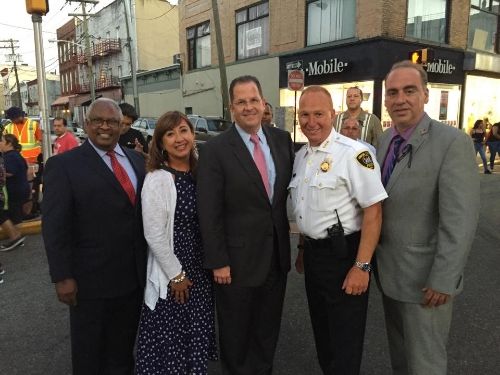





 Rafael Román Martel